The piece I played for my college entrance exam, with a Fender Jazz '63 Original.
I once had three basses.
One was my standard for what makes a good instrument. One was with me through the years I worked as a musician. And one began simply as something I wanted.
This first chronicle is about which basses I carried as I lived as a player.
For a time, these three were the center of my playing life.
Some I bought because I loved them. Some I chose because I needed them. And one was handed to me by my teacher.
In the end, it was through these instruments that I came to understand, little by little, what kind of player I was.
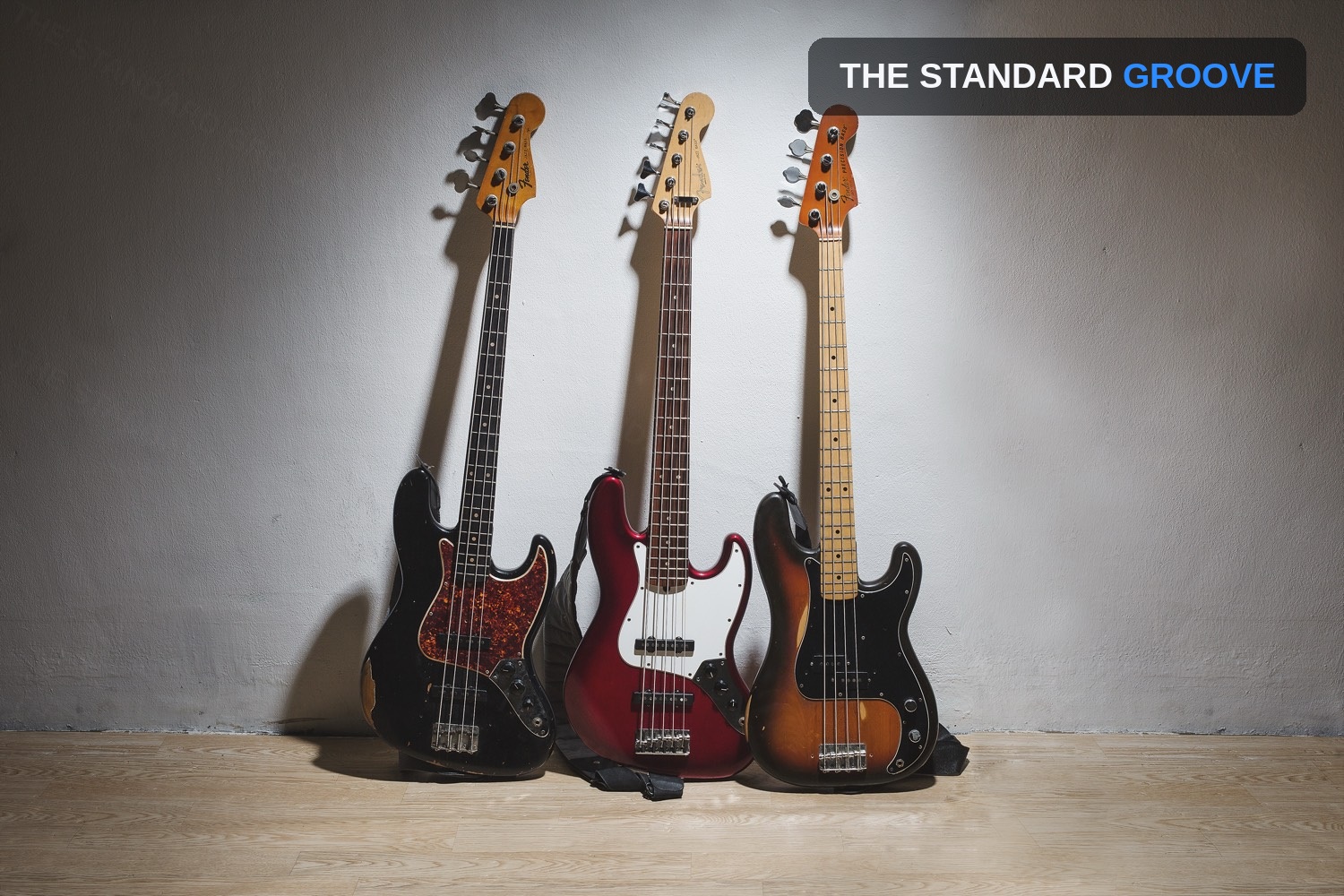 photo by VISIUM PRODUCTION
Fender Jazz '63 Original
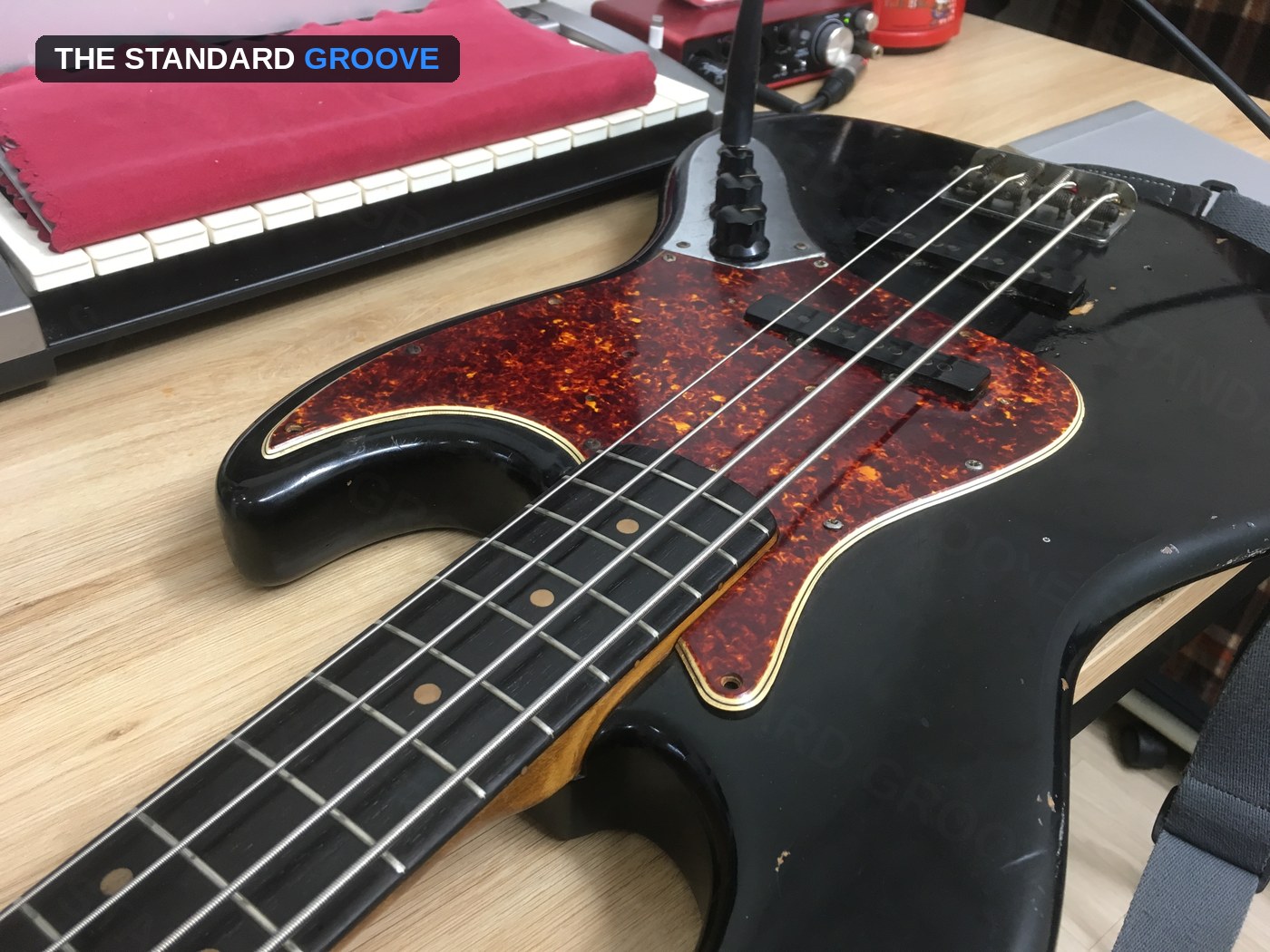
It was a truly great instrument.
To me, it was like the king of all instruments.
It was the instrument that taught me what makes Pre-CBS and Brazilian rosewood Fenders so special — every other Pre-CBS I bought afterward only ended up proving how exceptional this one was. I had it for almost twenty years, from my senior year of high school entrance exams until 2026. A week before my practical exam, an accident left me unable to use the Fender '78 Jazz I'd been playing. In that low moment, my teacher handed me this instrument.
With this instrument that came to me that way, I did so much.
Starting with Herbie Hancock's Actual Proof and a satisfying exam result, it was with me through every recording and session, and on the final stage of the CJ Tune-Up, where we won. I loved this instrument so much that I later bought a '64 Custom Shop because of it.
But the wish for 'a good instrument' — and the wish to reclaim an instrument that carries meaning — wasn't mine alone.
In early 2026, my teacher reached out to say he often thought of this instrument. It meant so much to me that at first I didn't want to give it back. But around that time, I was already working on a project to bring back, one by one, the old instruments that had made me who I am.
In that process, I came to understand something.
What instrument truly matters to me?
Owning a great instrument is a happy thing. But someone else might also want to reclaim an instrument that holds their own memories — one that will remain part of their life.
In the end, I returned it. My teacher offered me its fair present value, and the payment went straight into my mother's account. In a way, she ended up with an unplanned return on investment.
The satisfaction of returning the instrument I loved to the person who loved it first is greater.
I still think of it often, and it would be a lie to say I have no regrets.
But strangely, I don't.
Fender Jazz Standard 50th Anniversary '95
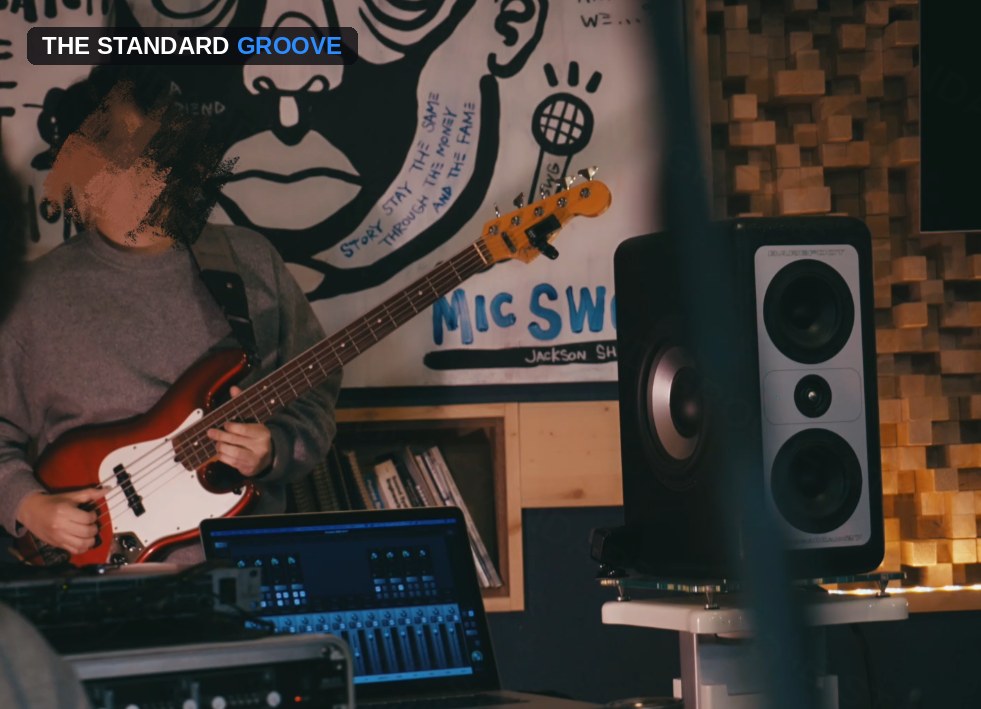
There was a time I felt I'd experienced enough of Fender, and just as I needed a 5-string bass, I wanted to try the other good brands I hadn't yet. I tried Fodera's Monarch and Emperor, Ken Smith's Black Tiger series, Xotic, Performance, Music Man, and Sadowsky.
There were plenty of good instruments, but in the end, the one that fit my hands best was still a Fender. I settled on this Crimson Red 5-string Jazz Standard.
I did a great deal of work with this instrument too. If the '64 Custom Shop was the 4-string I did the most work with, this was the 5-string I worked the most with. I especially loved the combination with Moollon's 3 Plus.
Looking back, this instrument doesn't carry a dramatic story so much as it carries the time I actually spent moving through my working life as a musician.
Shows. Recordings. Sessions. Everyday work. And the payments that followed.
Maybe what matters most in an ordinary player's life isn't the extraordinary day, but all those ordinary, grateful days.
This instrument remembers that time.
Fender Precision '78
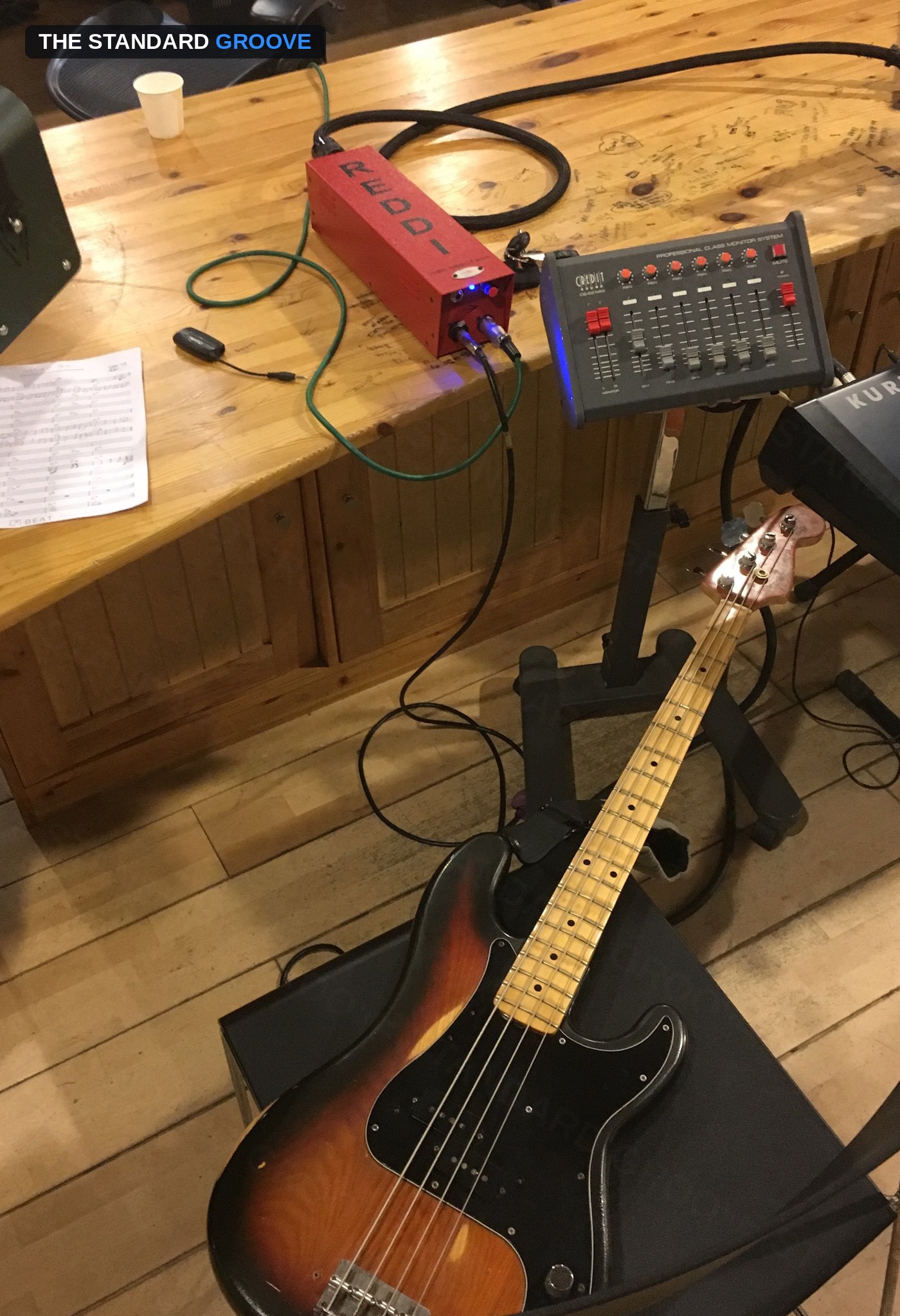
At first, it was just desire.
I simply wanted it, badly.
I loved the color, and the aged look particular to an old instrument. And the sound was truly great — better in every way than the '66 Original Precision I'd used right before it, in both neck feel and tone, with nothing lacking.
My closest friend's debut album was recorded entirely with this instrument, and I played our winning CJ Tune-Up performance with it too.
I especially loved the sound it made with the Reddi.
It began simply as 'I want it' — but a few years later, this instrument had people, music, and time inside it.

Three of Them
For a time in my life as a player, these three were the main instruments in my heart.
The '63 Jazz showed me a standard. The '95 Jazz was with me through the years I actually made my living as a player. The '78 Precision left me with the knowledge that any choice can, in the end, become a memory.
When I entered the military, worried that too many instruments would be hard to manage, I let go of most of what I owned, sending the '78 Precision off first. The '63 Original and the 5-string Jazz stayed with me for a long time after.
And then, in early 2026, the '63 Original left too.
Of these three, the only one that remains with me now is the Crimson Red 5-string Jazz Standard.
Strangely, though, as I let go of each instrument one by one, I never felt like I had less.
If anything, what I loved, what I valued, and the kind of music I'd lived with became clearer.
I used to think a good instrument meant an expensive one, and that owning and experiencing many kinds was the right path for a good player.
It wasn't the instruments that made me — it was the time I spent carrying them.
And some instruments become part of your life even after they're no longer by your side.
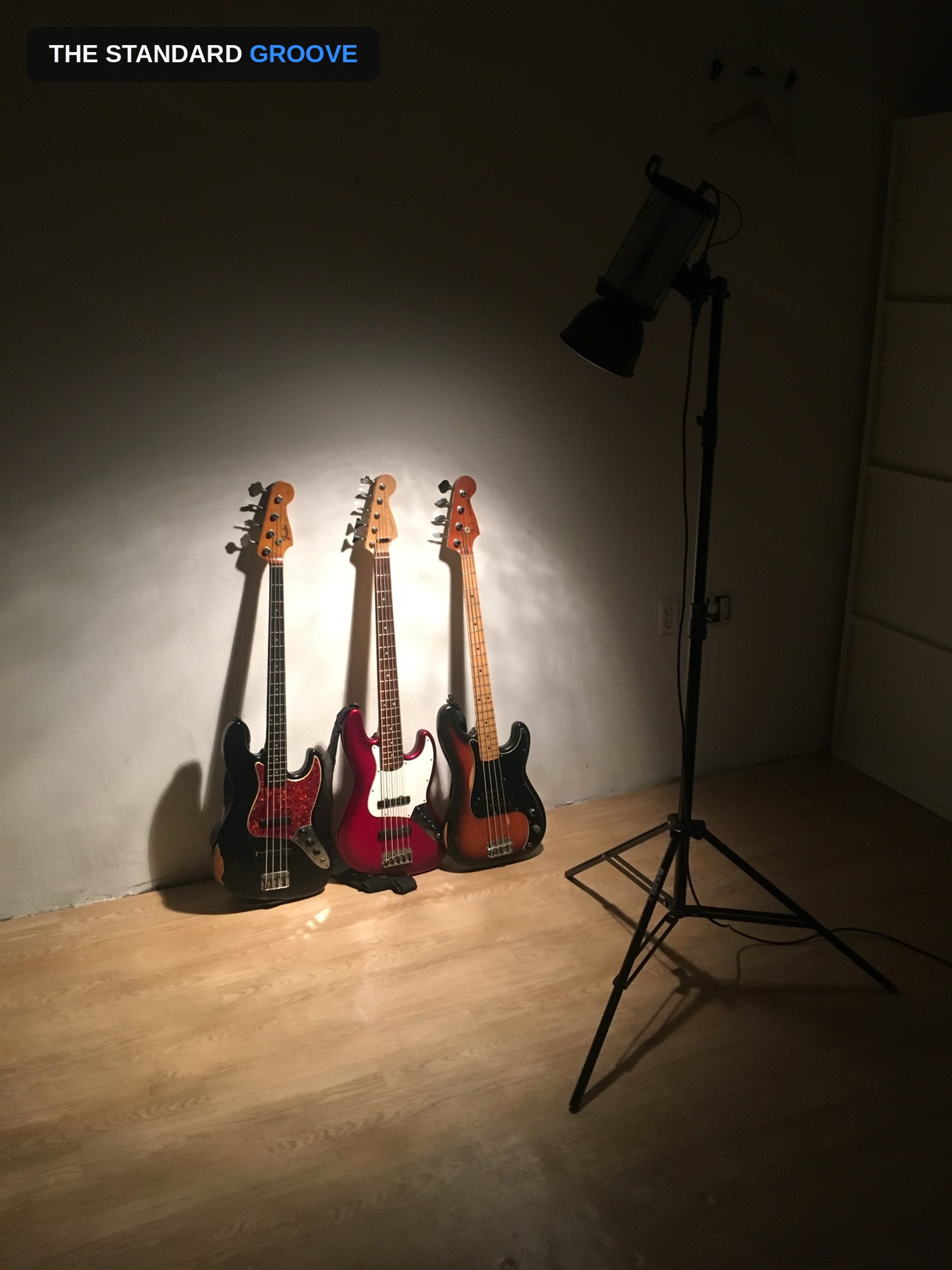 photo by VISIUM PRODUCTION
- 01 Fender Jazz '63 Original
- 02 Fender Jazz Standard '95
- 03 Fender Precision '78
Herbie Hancock — "Actual Proof"
The piece I played for my college entrance exam, with a Fender Jazz '63 Original.
↑ 위 영상으로