Stevie Wonder — For Once in My Life (1968) · Bass: James Jamerson
“No two bars of the song feature the same notes.”
Far Out Magazine
What gear does it take to get this tone?
Cheat SheetFor Vol.01
In Search of James Jamerson’s Tone
A 1962 Precision in three-tone sunburst, rosewood board, tortoiseshell guard, chrome pickup and bridge covers. La Bella heavy flats, changed only when one broke. Its name: the Funk Machine.
이 페이지의 일부 링크는 쿠팡 파트너스 활동의 일환으로, 이에 따른 일정액의 수수료를 제공받습니다.
If you’re a pro
Total budget약 ₩940만~$7,000+
- 1Bass1962 Precision · Jamerson signature
- 2StringsLa Bella 760M
- 3MuteBridge foam
- 4AmpAmpeg B-15
- 5CableMogami Gold
- 6HandsIndex finger only
- 7Tone knob70%Interviews disagree. For me, 70% came closest.
Setup in 3 lines
- Connect
Bass → Mogami → REDDI → XLR into your interface or console. To hear it through an amp too, run another cable from the REDDI’s thru jack to the B-15.
- Knobs
Bass volume all the way up, tone at 70%. B-15 as Jamerson set it: bass all the way up, treble at half. Start the REDDI level at 12 o’clock and back it off until the recording meter stays out of the red.
- Warm-up
The REDDI and the B-15 run on tubes. Fender suggests warming a tube amp for 15 seconds to a few minutes, but I leave mine on for 15 to 30 minutes and play once the sound has settled. If you hear a hum, flip the REDDI’s ground lift.
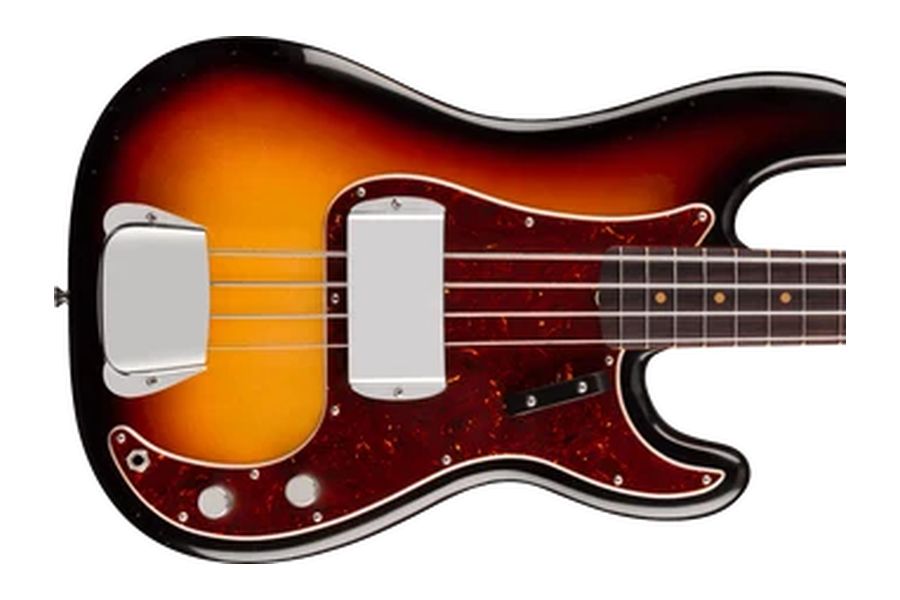 Fender James Jamerson 1962 Precision BassFender James Jamerson 1962 Precision BassLa Bella flats and foam mute, as documented약 ₩400만$2,999.99
The closest you can get to the Funk Machine. Alder body in three-tone sunburst nitro, slab rosewood board, tortoiseshell guard: the bass in the photos. It ships with foam under the bridge cover and La Bella 0760M strings. The one difference: it’s new. Jamerson only changed a string when it broke. The last piece of the puzzle is the wear from your own hands.
Official site네이버 가격비교쿠팡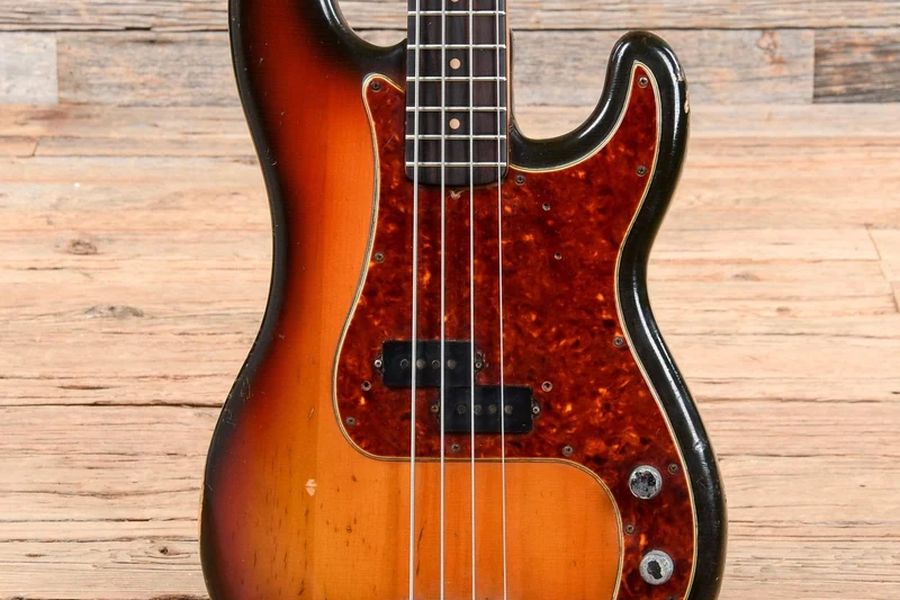 Fender Precision Bass, 1962Fender Precision Bass, 1962Vintage · current listings약 ₩1,600만~2,100만$12,000–16,000
The real thing from that era. But apart from the year, every listing is different: refinished bodies, swapped necks, swapped pickups. Don’t buy from photos alone. For that money, I’d buy the signature and spend the rest on recording.
See on eBay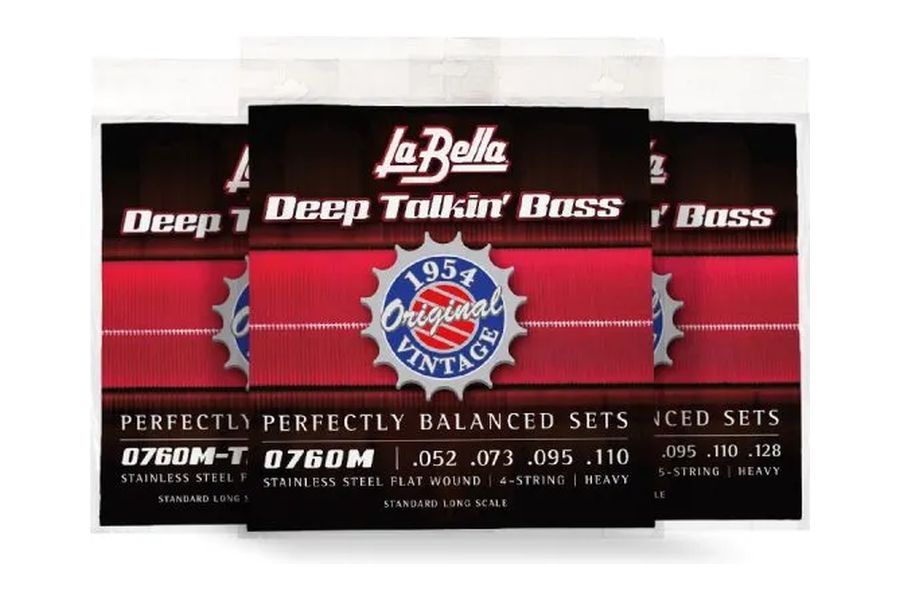 La Bella 0760M Deep Talkin’ Bass OriginalsLa Bella 0760M Deep Talkin’ Bass Originals’60s Motown set · .052–.110약 ₩61,000$45.92
The gauge Jamerson used: .052–.110 stainless flats. The first time you put them on, it feels like the strings are winning. That’s how it should be. That tension is what cuts the notes short and hard. They don’t fit string-through-body bridges, so check before you buy.
Official site네이버 가격비교쿠팡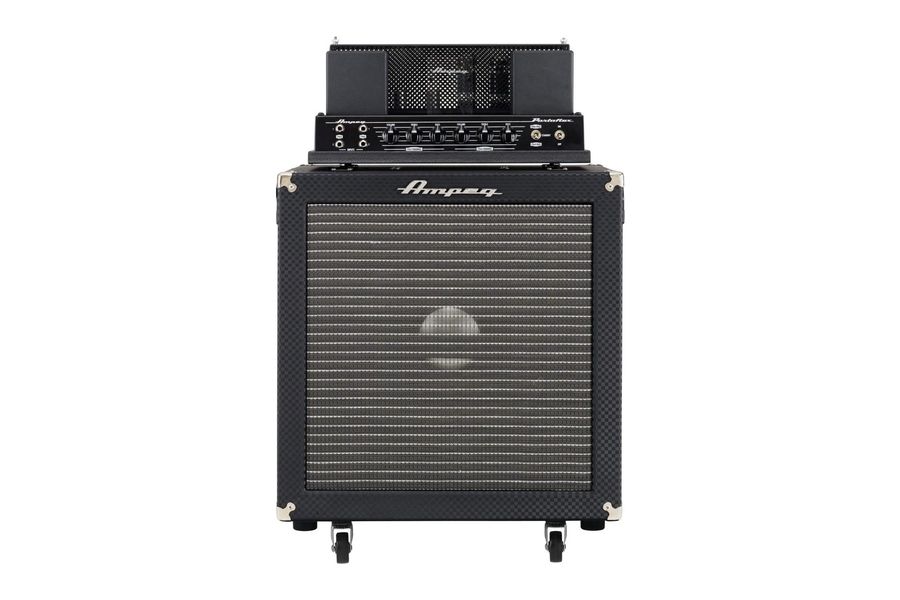 Ampeg Heritage B-15NAmpeg Heritage B-15NDiscontinued · buy used——
He recorded mostly straight into the console; the B-15 was for club stages. Bass all the way up, treble at half. This Heritage model was a 250-unit run in 2013, so it’s used-only now. Push a 15-inch speaker at home and the room booms before your hands do.
Official site네이버 가격비교쿠팡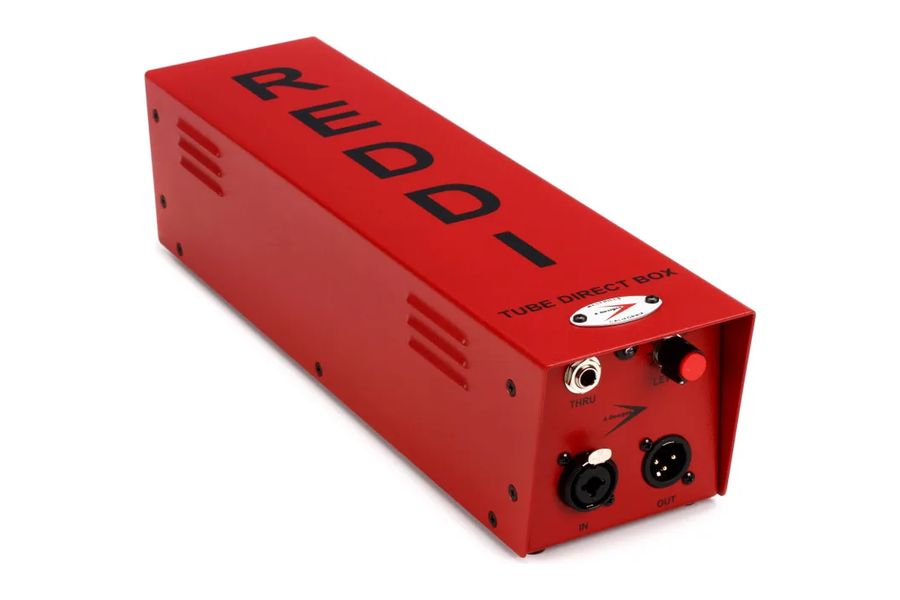 A-Designs REDDIA-Designs REDDIFor recording · inspired by the B-15 front end약 ₩127만$950
If you want that sound on a recording, this is closer than any amp, because most of Jamerson’s tracks went straight into the Motown console. The REDDI is a tube DI inspired by the B-15’s front end. It’s not a copy of the console, but the moment I plugged in, the sound stepped forward.
Official site네이버 가격비교쿠팡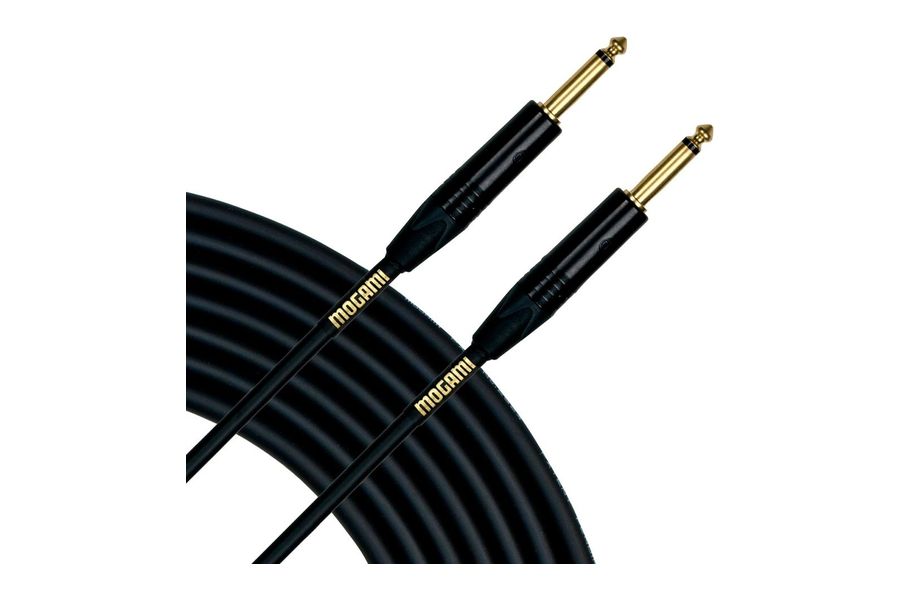 Mogami Gold InstrumentMogami Gold InstrumentThis is the cable약 ₩113,000$84.95
There’s no record of what cable Jamerson used, so this one is my taste. Gold-plated Neutrik straight plugs, low capacitance at 130 pF per meter, so less of the top end gets shaved off. The point isn’t to change the sound with a cable. It’s to lose less of what your hands make.
Official site네이버 가격비교쿠팡
If your budget has room
The bass doesn’t have to be American. A Mexican Fender or a Sire P5 works too. Go with your budget and your taste.
Total budget약 ₩380만~$2,600+
- 1BassFender Precision · USA or Mexico
- 2StringsLa Bella 760FS
- 3MuteA microfiber polishing cloth
- 4AmpAmpeg Rocket + light comp
- 5CableMogami Gold
- 6HandsTwo fingers
- 7Tone knob70%
Setup in 3 lines
- Connect
Bass → Mogami → M87 → short patch cable → Ampeg RB-110. To record, use the XLR direct out on the back of the amp.
- Knobs
Bass volume all the way up, tone at 70%. Start the RB-110 at bass 2 o’clock, mid 12, treble 11, with SGT off. M87: ratio 4, with only two or three gain-reduction lights on.
- Finish
Turn up the amp volume last. Before touching any knob, try hitting the strings harder first.
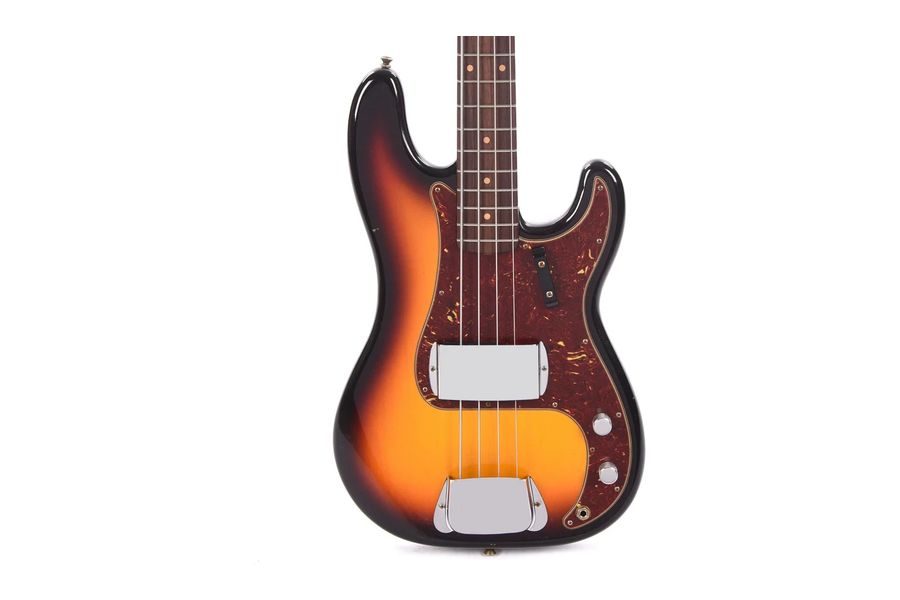 Fender Custom Shop 1963 Precision Bass Journeyman RelicFender Custom Shop 1963 Precision Bass Journeyman RelicCustom Shop · first choice약 ₩610만~660만$4,600–4,950
On paper, it’s the signature’s twin: two-piece alder in nitro, a hand-wound ’62 pickup, a 7.25-inch board. The differences: the worn-in relic finish, and no foam mute or flats in the box. Change the strings first thing.
Official site네이버 가격비교쿠팡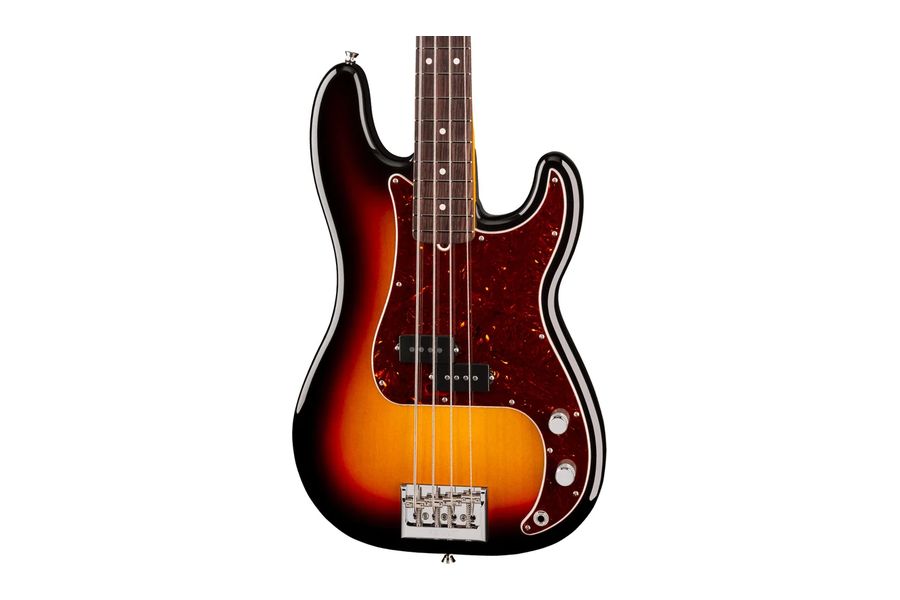 Fender American Professional Precision Bass (2026)Fender American Professional Precision Bass (2026)New in October 2026약 ₩266만$1,999.99
The new American Professional. Alder body, but a polyurethane finish instead of nitro, and a flatter 9.5-inch board. The V-Mod III is a modern-voiced pickup, so it sounds too clear at first. Put flats on and tame it with the tone knob. Of the three American models, it’s the easiest to play.
Official site네이버 가격비교쿠팡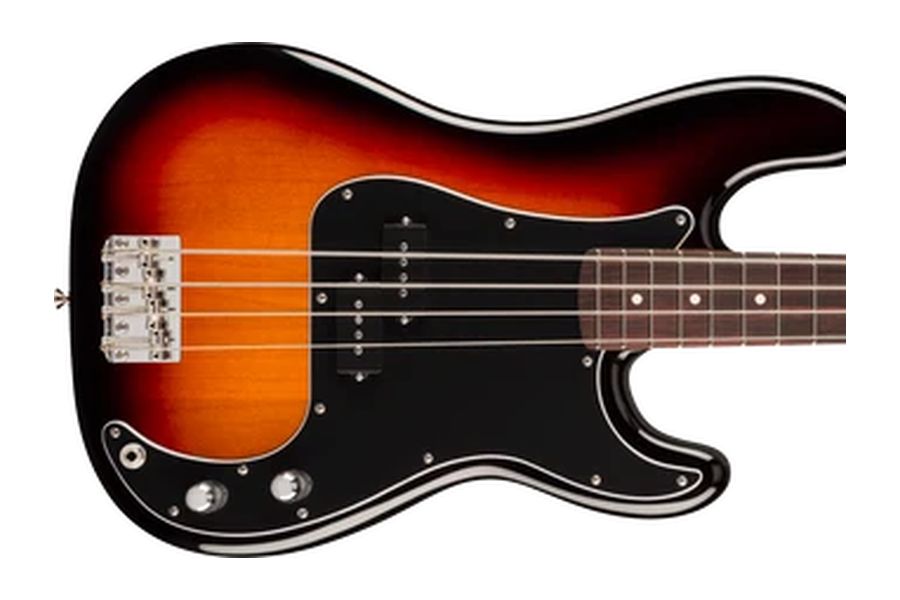 Fender American Professional Classic Precision BassFender American Professional Classic Precision BassPick a rosewood-board color약 ₩213만$1,599.99
A Coastline ’60 pickup, alder and a rosewood board. Maybe it’s the ’60 in the name, but of the three American models it sounded closest to that era’s voice to me. The Modern C neck is comfortable. The finish is polyurethane here too.
Official site네이버 가격비교쿠팡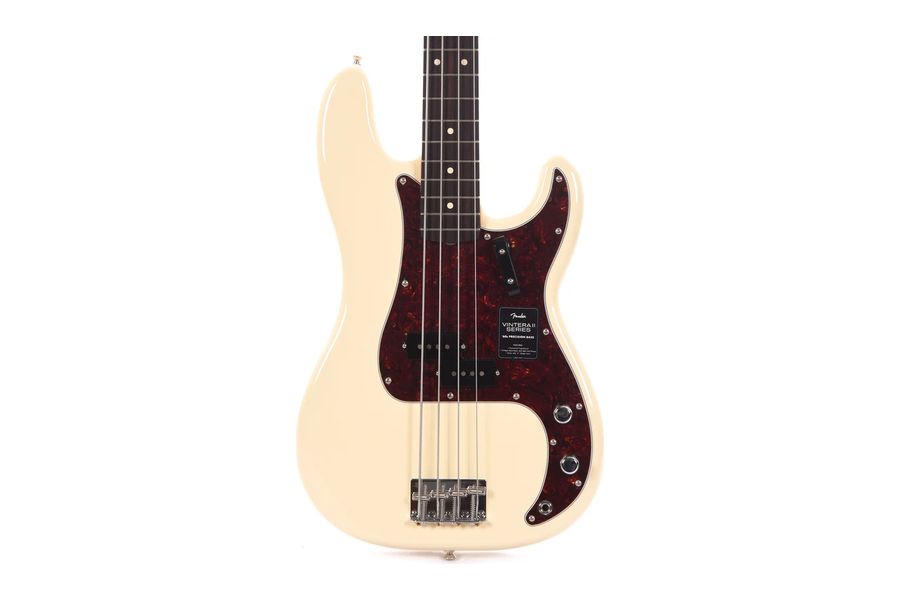 Fender Vintera II ’60s Precision BassFender Vintera II ’60s Precision BassMexico · ’60s specs약 ₩133만$999.99
A Fender made in Mexico. Alder body, slab rosewood, a 7.25-inch board and an early-’60s C neck follow the era’s specs. The finish is polyester, not nitro. At about half the price of the American model, it’s the closest in look and feel.
Official site네이버 가격비교쿠팡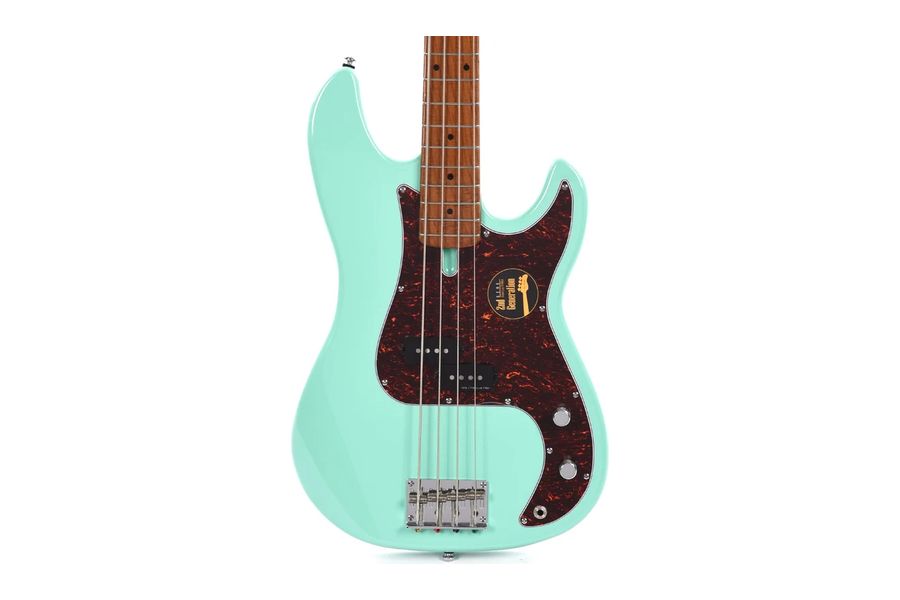 Sire Marcus Miller P5 Alder 4Sire Marcus Miller P5 Alder 4Sire · alder · two pickups약 ₩80만$599
The Sire Marcus Miller P5. Same alder body, but a roasted maple board, so it’s lighter in color, and there’s one more pickup. Lean on the neck pickup. The build is good for the price, and plenty of my students bring one to lessons.
Official site네이버 가격비교쿠팡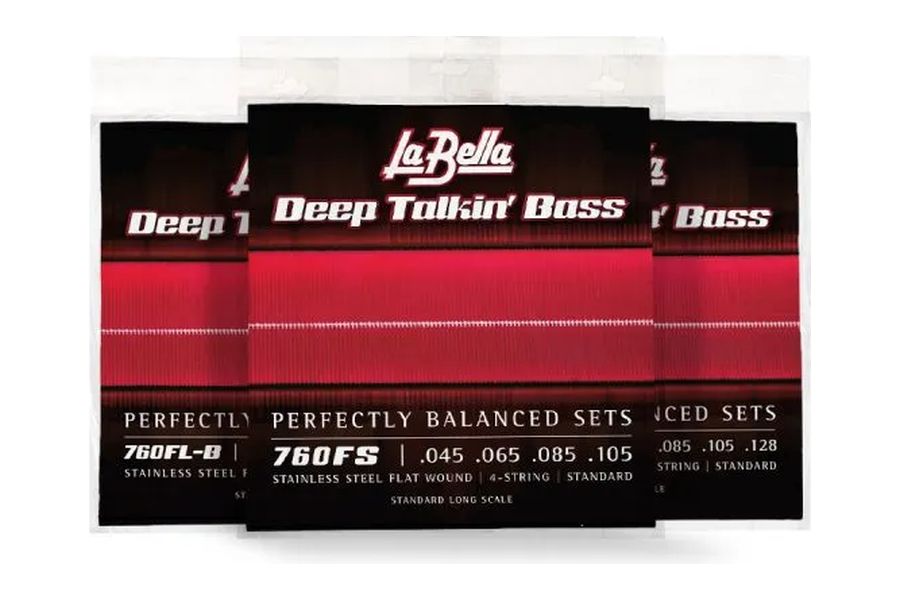 La Bella 760FS Deep Talkin’ Bass FlatsLa Bella 760FS Deep Talkin’ Bass FlatsThese will do약 ₩61,000$45.95
One step lighter than the 760M: .045–.105, the same stainless flats. If the 760M feels too stiff, go here. When a student tries flats for the first time, this is the set I hand them first.
Official site네이버 가격비교쿠팡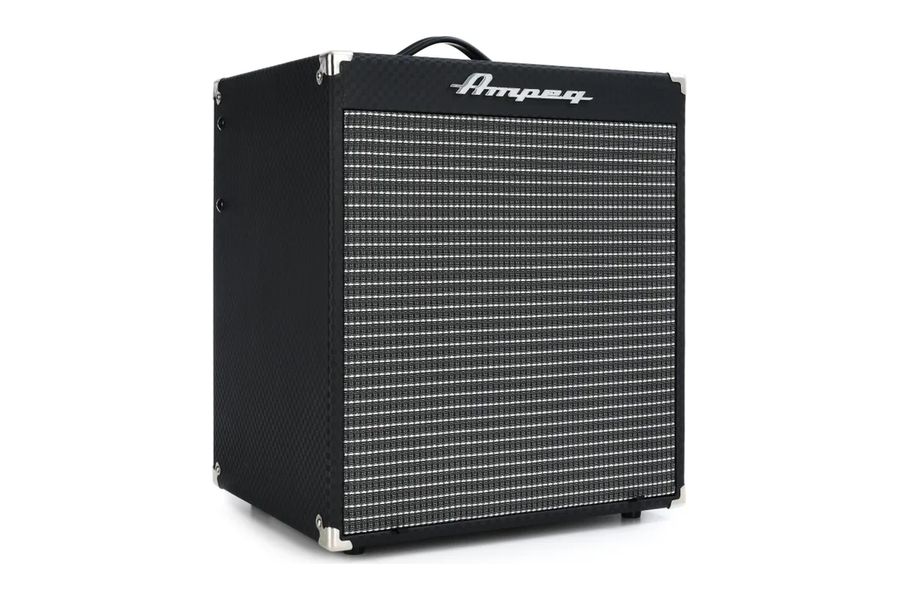 Ampeg Rocket Bass RB-110Ampeg Rocket Bass RB-110Home-friendly size₩620,000$299.99
50 watts, one 10-inch speaker, styled after Ampeg’s ’60s Rocket line. It doesn’t look like a B-15, but for home this is just right. Start with every knob at center and nudge the bass up a little.
Official site네이버 가격비교쿠팡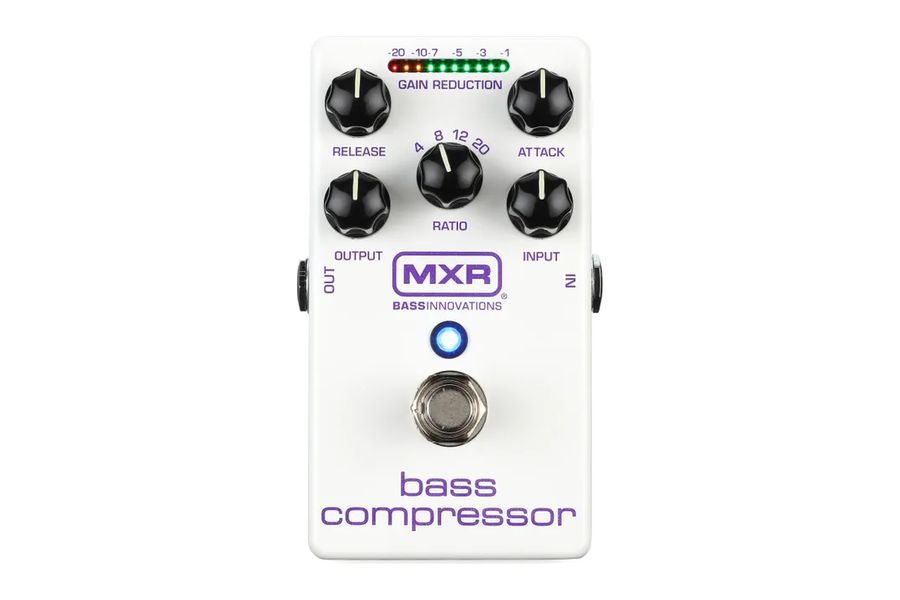 MXR M87 Bass CompressorMXR M87 Bass CompressorJust a touch₩275,600~324,570$209.99
Jamerson’s tracks were squeezed a little and driven a little dirty at the console. This pedal imitates that squeeze. Keep the ratio low, with only two or three gain-reduction lights on. Squeeze more and the sound goes flat.
Official site네이버 가격비교쿠팡
If you’re just starting
This is probably where most of you will look. This setup still gets that flavor.
Total budget약 ₩57만$429.99
- 1BassSquier PJ
- 2StringsStock strings
- 3MuteA microfiber polishing cloth
- 4AmpRumble 15
- 5CableIn the pack
- 6HandsTwo fingers
- 7Tone knob15–20%Jazz pickup volume at 0
Setup in 3 lines
- Connect
Bass → the cable from the pack → Rumble 15. That’s it.
- Knobs
Precision pickup volume all the way up, Jazz pickup volume at 0, tone at 15–20%. Start the Rumble 15 at bass 2 o’clock, mid 12, treble 10.
- Finish
Fold the cloth in half and tuck it under the strings just in front of the bridge, so it barely touches them.
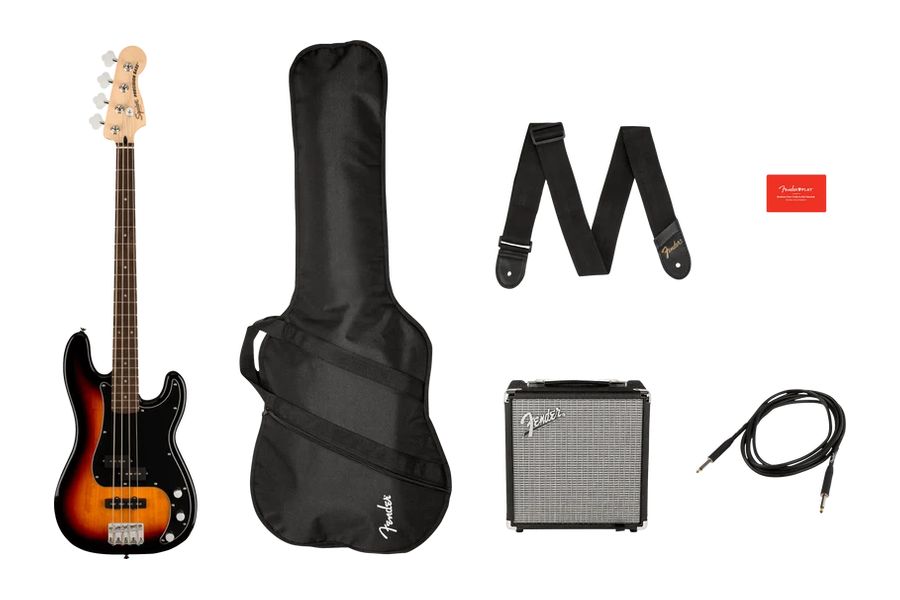 Squier Affinity Series Precision Bass PJ PackSquier Affinity Series Precision Bass PJ PackAmp, gig bag and cable included약 ₩57만$429.99
Poplar body, ceramic PJ pickups, a Rumble 15 amp, a 10-foot cable, a strap and a gig bag, all in one box. Only the shape matches the original. But turn the Jazz pickup off and roll the tone down, and you get that flavor. A lot of people walk into my lessons having started with this pack.
Official site네이버 가격비교쿠팡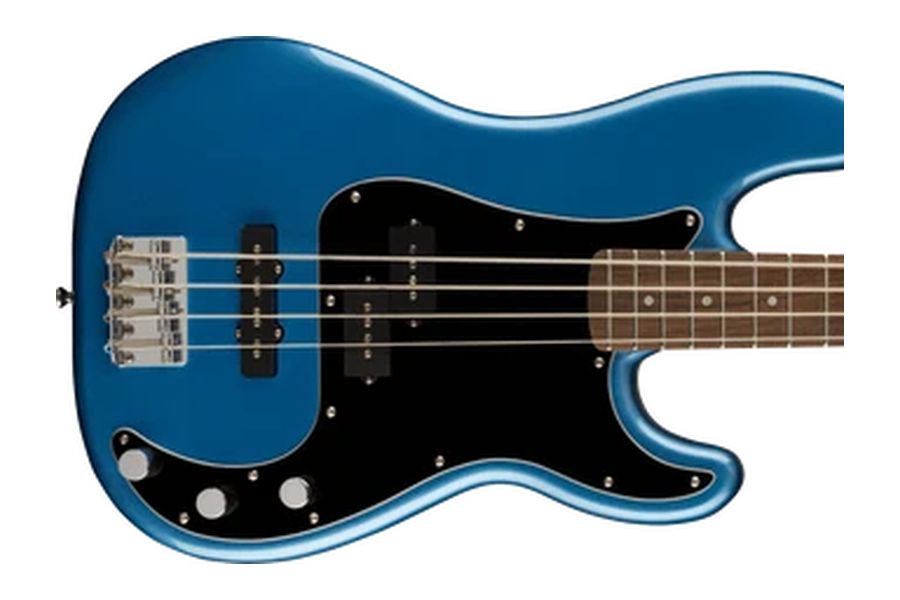 Squier Affinity Series Precision Bass PJSquier Affinity Series Precision Bass PJBass only₩418,000$369.99
The same bass without the amp and bag. If you already have an amp, take this one.
Official site네이버 가격비교쿠팡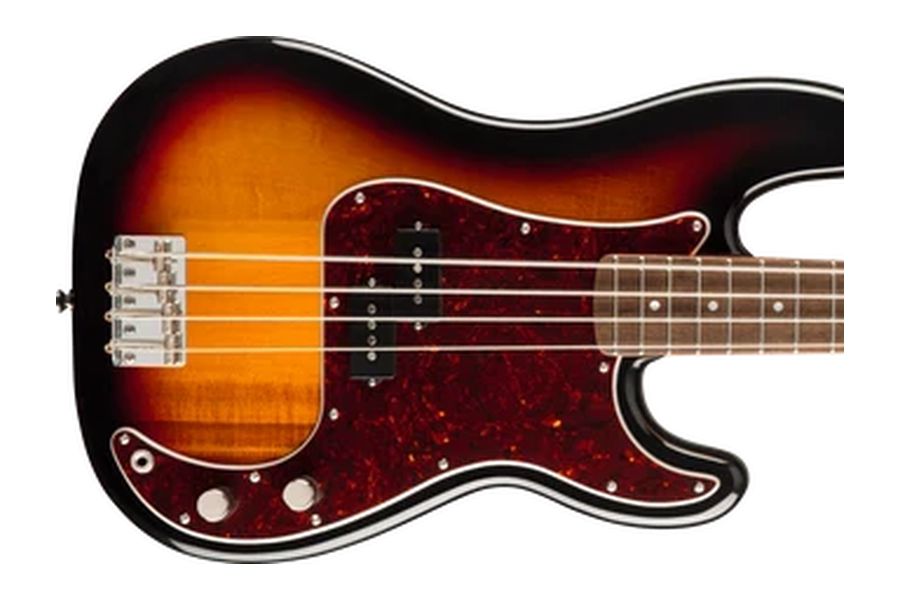 Squier Classic Vibe ’60s Precision BassSquier Classic Vibe ’60s Precision Bass’60s Precision style₩844,000$529.99
One step up from the starter models. Alnico pickup, a vintage-tinted neck, and the look of a ’60s P. The body is poplar, but put flats on and it’s the closest you’ll get at this price.
Official site네이버 가격비교쿠팡
Care
For unfinished boards like rosewood or laurel. Brush the board every time you change strings, and oil it a little every few months. The strings? Jamerson said, “The dirt keeps the funk.”
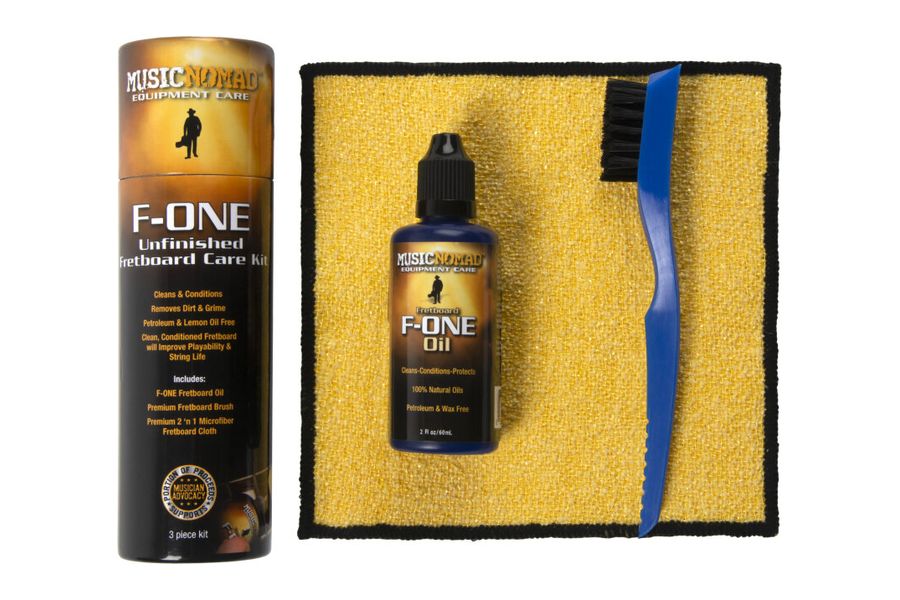 MusicNomad F-ONE Fretboard Care Kit (MN125)MusicNomad F-ONE Fretboard Care Kit (MN125)Kit · oil, cloth, brush, scraper약 ₩27,000$19.99
Oil, a microfiber cloth, a fretboard brush and a plastic scraper in one box. If you buy just one thing, make it this. When you change strings, brush the grime off beside the frets, add a little oil and wipe it off with the cloth.
Official site네이버 가격비교쿠팡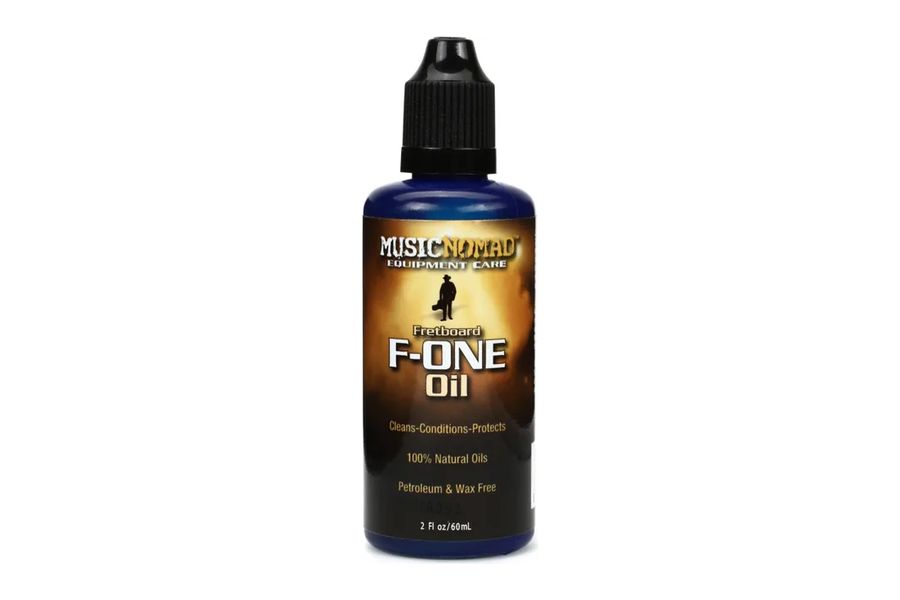 MusicNomad F-ONE Oil (MN105)MusicNomad F-ONE Oil (MN105)Fretboard oil · 2 oz약 ₩12,000$8.99
The oil from the kit, sold on its own. When it runs out, buy just this. If you play every day, once every four to six months is enough. You don’t need much.
Official site네이버 가격비교쿠팡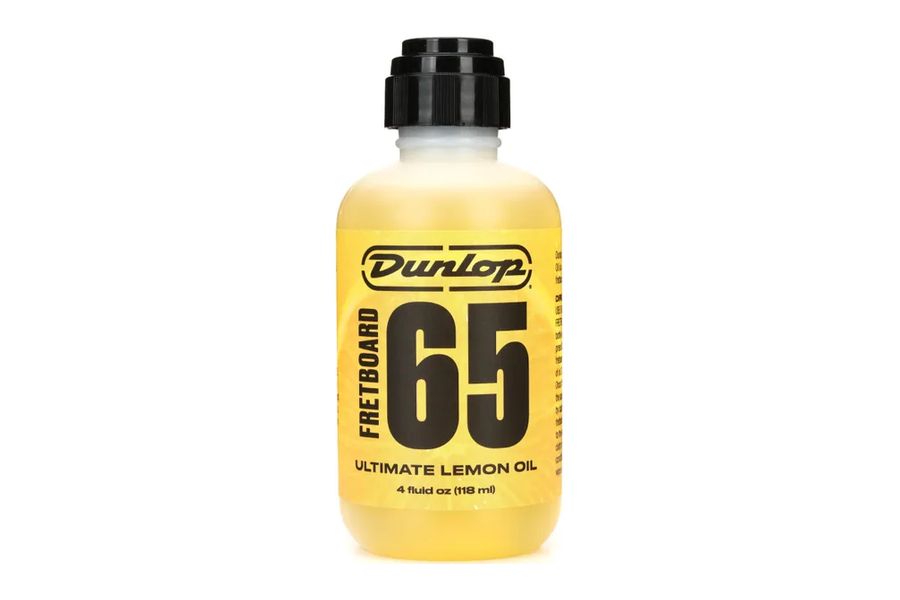 Dunlop Formula 65 Ultimate Lemon Oil (6554)Dunlop Formula 65 Ultimate Lemon Oil (6554)Lemon oil · not for maple약 ₩13,000$9.44
If you want lemon oil, this is the one. Dunlop notes it’s not for maple boards. Use it only on unfinished boards like rosewood or laurel.
Official site네이버 가격비교쿠팡
The last step is your ears
Even with all the gear right, your first sound won’t match. That’s normal. Switch between the record and your own sound, and find your case below.
The note keeps humming after it ends
The mute isn’t touching enough. Push the foam or cloth a little further toward the bridge. When the note ends with a “thud,” you’ve got it.
The sound turns to mush in the room
Don’t reach for the knobs first. Move the amp a hand’s width off the wall and lift it off the floor. If it’s still mushy, then turn the amp’s bass down a little.
Too clean and thin, like a modern record
Pluck harder. Play softly and even flats sound thin. Jamerson didn’t stroke the strings. He hit them.
A “click” from your fingertip sneaks in
Roll the tone knob down 10% at a time. If it’s still there, move your plucking spot one step toward the neck.
The notes run into each other
Your left hand is holding down too long. Lift the fretting finger slightly to cut the note. Rests are part of the playing.
It doesn’t jump out like the record
Don’t turn up the volume. Turn up your hands. Hit each note like you’re bouncing a ball. Touch the volume only after your hands have done their part.
New strings sound too shiny (starter set)
Roll the tone down to 15–20% and tuck the cloth in a bit deeper. Strings age on their own as you play. That’s when it gets real.
The record is the answer. When your ears say “close,” that’s the right setting.
In all three: cut every note short.
The sound starts in the hands. Prices: US retail, 2026-10-20.
If “For Once in My Life” is too hard, start here.
For Vol.01: Back to the 1960's. Like Motown.
Standard Letter
Don't miss the next Practice.
We'll let you know about the next update by newsletter.
Full Version
For Vol.01 · The Standard Groove
Sheet Music — Bass Tab · PDF
Full Track · Backing Track — MP3
Sources
- Far Out Magazine — The influence of James Jamerson and his ten best basslines
- James Jamerson, 1979 interview (Guitar Player) — via Rick Suchow
- James Jamerson — Wikipedia (Equipment)
- MusicRadar — How to play bass like James Jamerson
- Talking Bass — Getting that James Jamerson tone
- No Treble — Fender James Jamerson 1962 Precision Bass (2026)
- Prices — Fender US, Sweetwater, Chicago Music Exchange, Cream City Music, 기타네트, 피스뮤직, 다나와, 11번가 (2026-10-20)
- La Bella 0760M — labella.com
- Wikipedia — James Jamerson (equipment, technique)
- Fender newsroom — American Professional series (2026-10-13)
- No Treble — Fender James Jamerson 1962 Precision Bass specs
- Fender — Tube Prelude: Warm Up to the Standby Switch
- MusicRadar — Ampeg Rocket Bass RB-110 review
- Chicago Music Exchange — Fender Vintera II ’60s Precision Bass
- Chicago Music Exchange — Sire Marcus Miller P5 Alder 4
- MusicNomad — F-ONE Oil (사용 주기·대상 지판)
- Dunlop — Formula 65 Ultimate Lemon Oil (메이플 지판 사용 금지)
- A-Designs REDDI
- Guitar World — The history of the Ampeg B-15