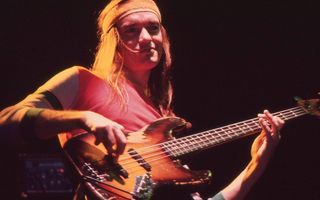

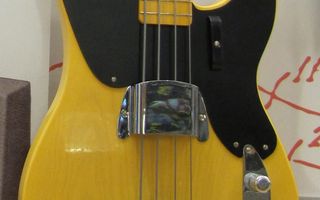
Glen Campbell — Wichita Lineman (1968) · Bass: Carol Kaye
“The pick bass every producer wanted.”
Jay, Bass Player
What gear does it take to get this tone?
Cheat SheetFor Vol.02
Carol Kaye
A sunburst Fender Precision with medium-gauge Fender flats. She played with a very hard plastic pick and taped a doubled-up piece of felt on top of the strings, just in front of the bridge. Amps: a Super Reverb in the early ’60s, Versatone later in the decade.
이 페이지의 일부 링크는 쿠팡 파트너스 활동의 일환으로, 이에 따른 일정액의 수수료를 제공받습니다.
If you’re a pro
Total budget약 ₩943만~$7,100+
- 1Bass1963 Precision · Custom Shop 1960
- 2StringsFender 9050M flats
- 3PickA very hard teardrop pick
- 4MuteDoubled felt, on top of the strings
- 5AmpFender Super Reverb
- 6HandsNear the end of the neck · wrist
- 7Bass volume⅔Carol Kaye: bass volume at 2/3 at most. She changed the tone with the knobs, song by song.
Setup in 3 lines
- Connect
Bass → cable → Super Reverb. To record, put a mic in front of the amp. Until the late ’60s Carol Kaye was always miked through the amp, with no compression or EQ.
- Knobs
Bass volume at 2/3, and play near the neck end. Start the amp at bass 1 o’clock, mid 12, treble 11. For a warmer sound, turn the bass up a little and the treble down, as Carol Kaye puts it.
- Warm-up
The Super Reverb is a tube amp. Fender suggests 15 seconds to a few minutes of warm-up, but I leave it on for 15 to 30 minutes and play once the sound has settled. Reverb and vibrato at 0.
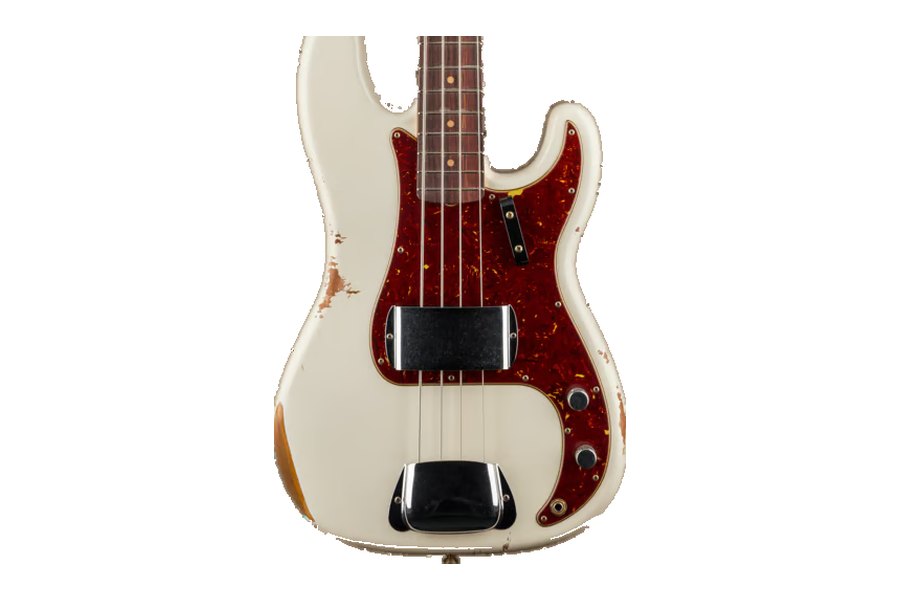 Fender Custom Shop 1960 Precision Bass RelicFender Custom Shop 1960 Precision Bass RelicCustom Shop · stock varies by store약 ₩633만$4,775
A 1960 Precision from the Custom Shop, with a worn-in relic finish and early-’60s specs. In Vol.01 I chose the 1963 Journeyman; here I went with the 1960, closer to when Carol Kaye picked up the bass. Swap the strings for 9050M as soon as it arrives.
Official site네이버 가격비교쿠팡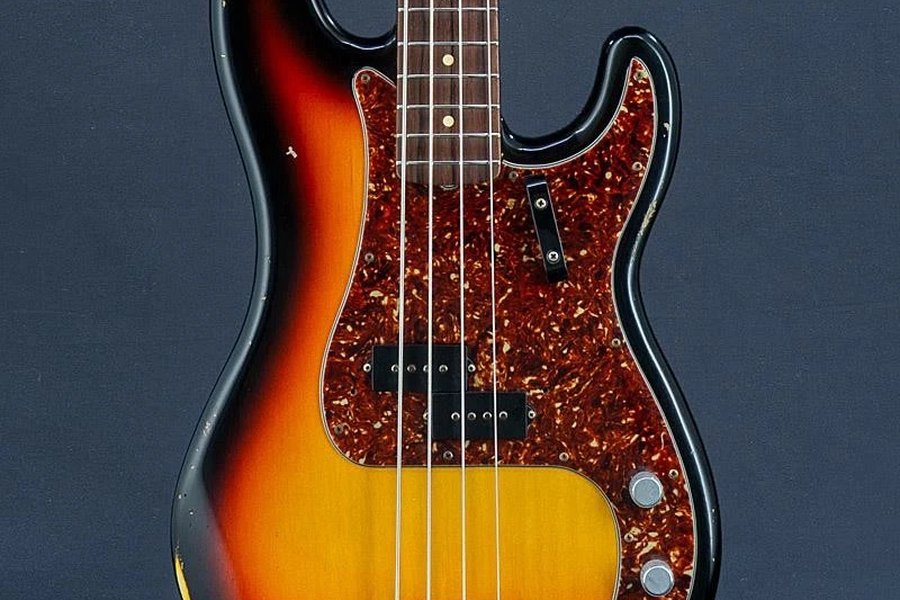 Fender Precision Bass, 1963Fender Precision Bass, 1963Vintage · current listings약 ₩1,660만~2,120만$12,500–16,000
A Precision from 1963, the year Carol Kaye switched to bass. But apart from the year, every listing is different: refinished bodies and replaced parts are mixed in. Don’t buy from photos alone. There’s no record of the exact year of her own bass.
See on eBay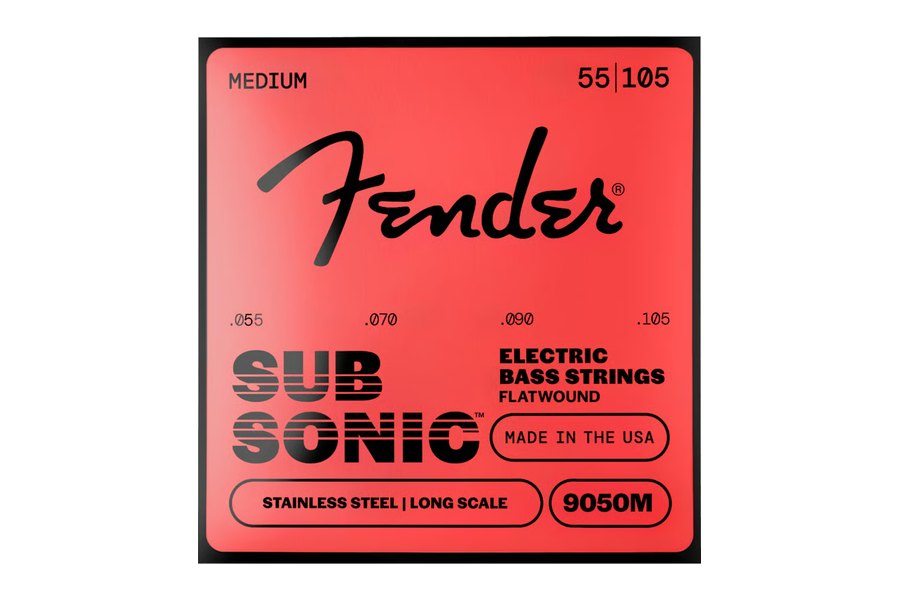 Fender 9050 Stainless Flatwound (9050M · 9050ML)Fender 9050 Stainless Flatwound (9050M · 9050ML)Her strings · Fender medium flats약 ₩46,000$34.99
Carol Kaye wrote that she used medium-gauge Fender flats in the ’60s. Today’s Fender flat is the 9050: the 9050M at .055–.105, and one step lighter, the 9050ML at .050–.100. Hit hard with a pick and the M holds up better. If it’s tough on your hands, go ML.
Official site네이버 가격비교쿠팡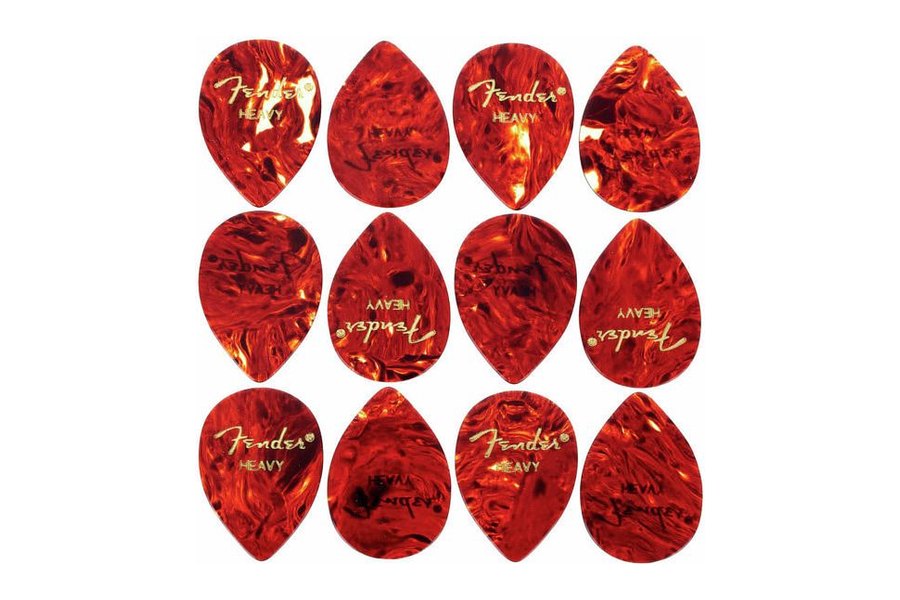 Fender 358 Shape Classic Celluloid Picks, Heavy (12 pack)Fender 358 Shape Classic Celluloid Picks, Heavy (12 pack)The teardrop shape she described · heavy약 ₩8,000~9,300$5.99–7.00
Carol Kaye said she used a very hard, teardrop-shaped plastic pick, without naming a brand. The Fender 358 is a small teardrop in celluloid. Go heavy. It’s small, so it may twist in your fingers at first; hold it firmly and play from the wrist.
Official site네이버 가격비교쿠팡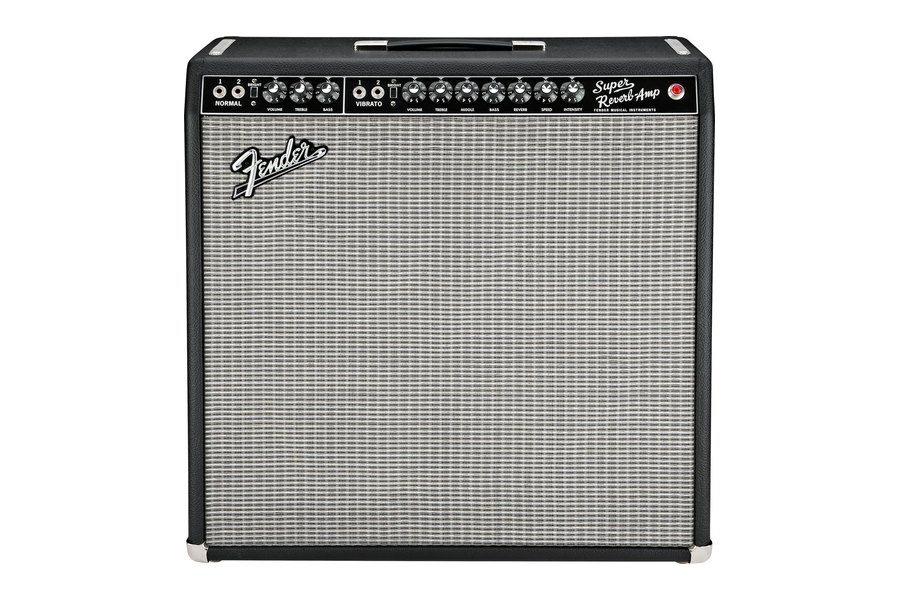 Fender '65 Super ReverbFender '65 Super ReverbToday’s reissue of her early-’60s amp약 ₩305만$2,299.99
Carol Kaye says she used a Fender Super Reverb, an open-back 4×10, in the early ’60s. This is today’s remake of the ’65 version. It’s a guitar amp at heart, so pushing hard lows strains it. Keep the volume low and mic it.
Official site네이버 가격비교쿠팡
If your budget has room
The bass doesn’t have to be American. A Mexican Fender is plenty. On the instrument side this is almost the same as the Vol.01 cheat sheet, because both are ’60s Precisions. So I listed different models first here, and the Precisions from Vol.01 work just as well. What sets this sound apart is the pick, more than the bass.
Total budget약 ₩350만~$2,640+
- 1BassFender Precision · USA or Mexico
- 2StringsFender 9050ML flats
- 3PickA hard pick
- 4MuteDoubled felt, on top of the strings
- 5AmpTone Master Super Reverb
- 6HandsNear the end of the neck · wrist
- 7Bass volume⅔
Setup in 3 lines
- Connect
Bass → cable → Tone Master Super Reverb. To record, use the line out on the back panel.
- Knobs
Bass volume at 2/3. Start the amp at bass 1 o’clock, mid 12, treble 11. If the room booms, bring the bass down first.
- Finish
Fold the felt in two and tape it on top of the strings, just in front of the bridge. In Carol Kaye’s words, a 25-cent mute works.
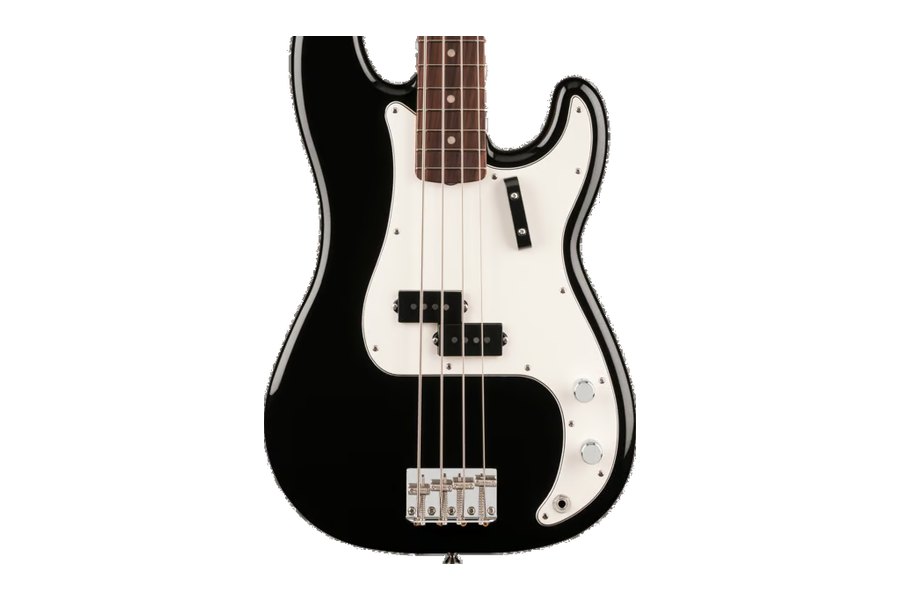 Fender Vintera III Late '60s Precision BassFender Vintera III Late '60s Precision BassMexico · late-’60s specs약 ₩166만$1,249.99
A Fender Precision made in Mexico. In the Vintera III line, launched in spring 2026, this Late ’60s is the only ’60s Precision. It ships with roundwounds, so switch to flats when it arrives.
Official site네이버 가격비교쿠팡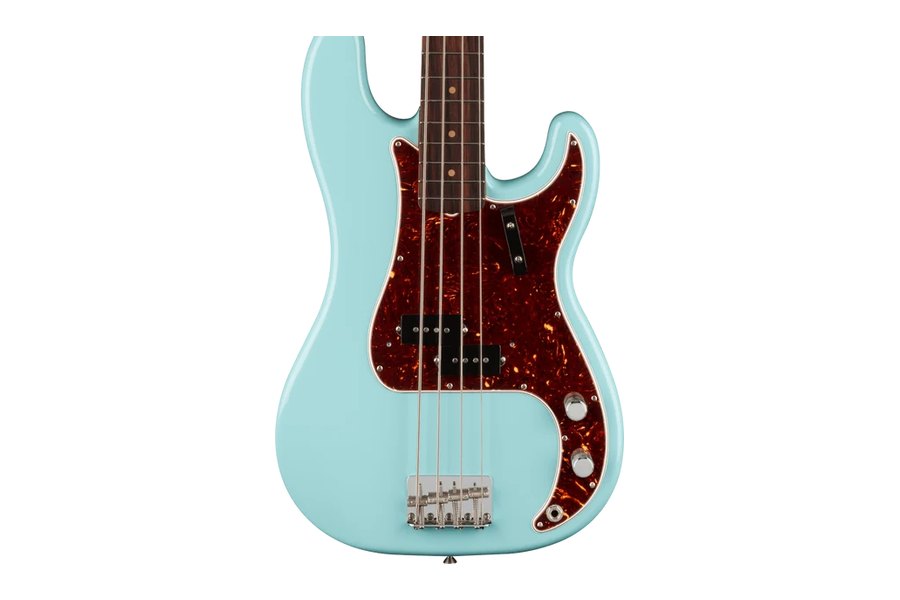 Fender American Vintage II 1960 Precision BassFender American Vintage II 1960 Precision BassUSA · 1960 specs약 ₩305만$2,299.99
A 1960-spec Precision made in the USA. Less than half the Custom Shop price, and new-looking with no relic work. Start with 9050ML strings.
Official site네이버 가격비교쿠팡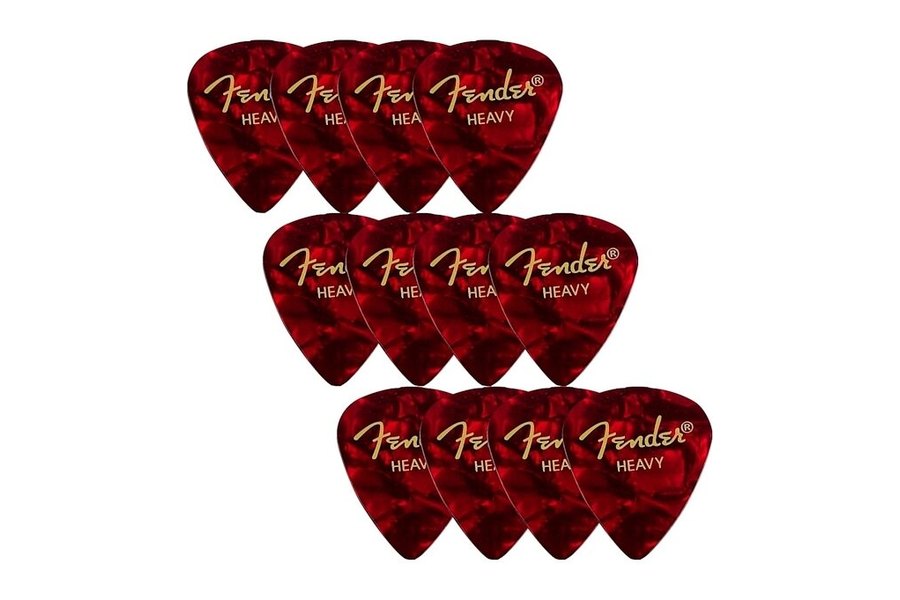 Fender 351 Shape Classic Celluloid Picks, Heavy (12 pack)Fender 351 Shape Classic Celluloid Picks, Heavy (12 pack)Fender’s classic shape · heavy약 ₩6,300$4.79
Fender’s most common shape, in heavy celluloid. The wide grip area means it twists less when you dig in. It comes in a 12-pack, so it’s easy to buy alongside other gauges and compare.
Official site네이버 가격비교쿠팡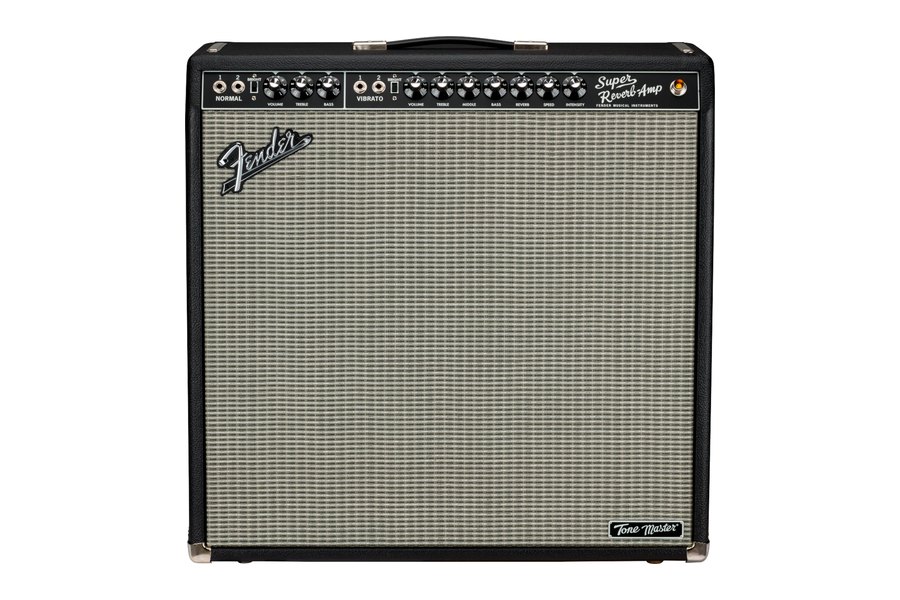 Fender Tone Master Super ReverbFender Tone Master Super ReverbA Super Reverb without tubes · lighter약 ₩179만$1,349.99
A Super Reverb modeled in circuitry instead of tubes. It’s lighter than the original, and the flavor stays even at low volume. For home and recording, this is easier. No warm-up needed.
Official site네이버 가격비교쿠팡
If you’re just starting
This is probably where most of you will look. With one pick and a scrap of felt, even a starter bass gets that flavor. The pack below is the same one as in Vol.01.
Total budget약 ₩50만$376
- 1BassSquier Precision
- 2StringsStock strings
- 3PickA hard pick
- 4MuteA scrap of felt · tape
- 5AmpRumble 15
- 6HandsNear the end of the neck · wrist
- 7Bass volume⅔
Setup in 3 lines
- Connect
Bass → cable → Rumble 15. That’s it.
- Knobs
Bass volume at 2/3, tone open to start. Rumble 15 at bass 1 o’clock, mid 12, treble 11.
- Finish
Pick from the wrist, not the arm. Downstroke on the downbeat, upstroke on the upbeat. Carol Kaye always stressed this.
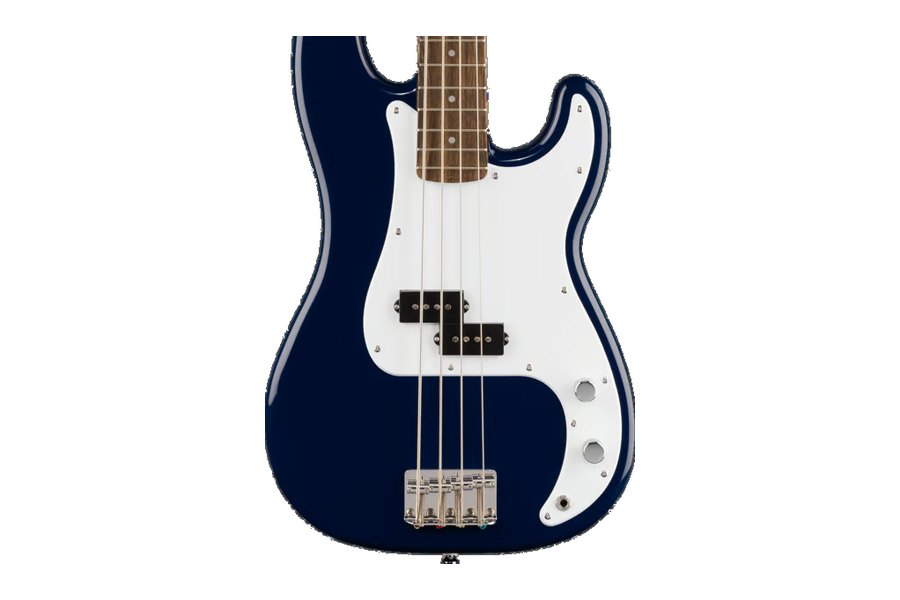 Squier Sonic Precision BassSquier Sonic Precision BassThe lightest way in약 ₩36만$269.99
Squier’s most affordable Precision. The wood and pickup differ from the original, but the shape is the same. Half of this sound comes from the pick and the felt. Spend the rest on a few picks and a Rumble 15.
Official site네이버 가격비교쿠팡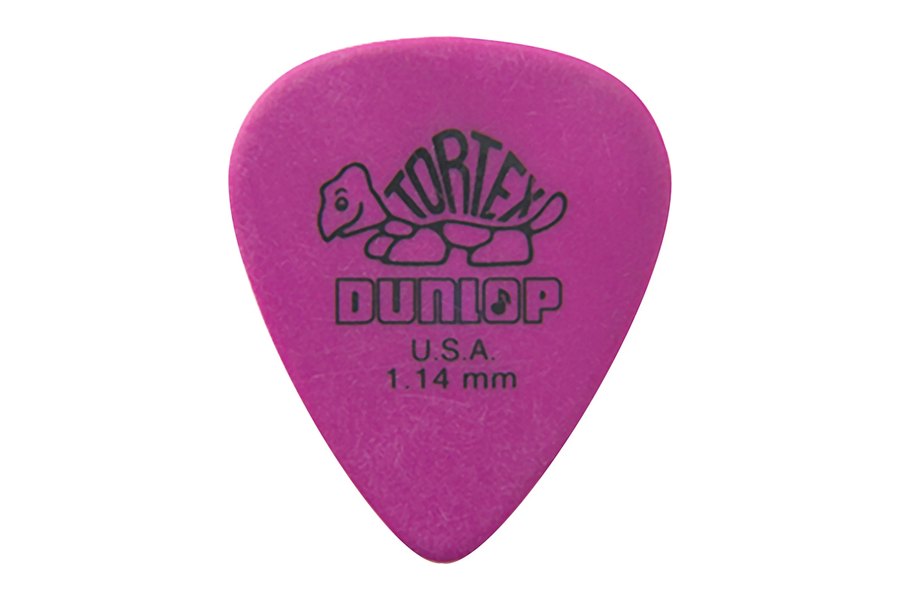 Dunlop Tortex Standard 1.14mm (12 pack)Dunlop Tortex Standard 1.14mm (12 pack)A hard pick · my pick약 ₩7,600$5.76
Carol Kaye says to use a very hard pick: a thin one gets clicky, and felt or limber picks don’t give a defined note. I recommend a thick, hard Dunlop Tortex. But picks are personal. Buy a few and switch between them.
Official site네이버 가격비교쿠팡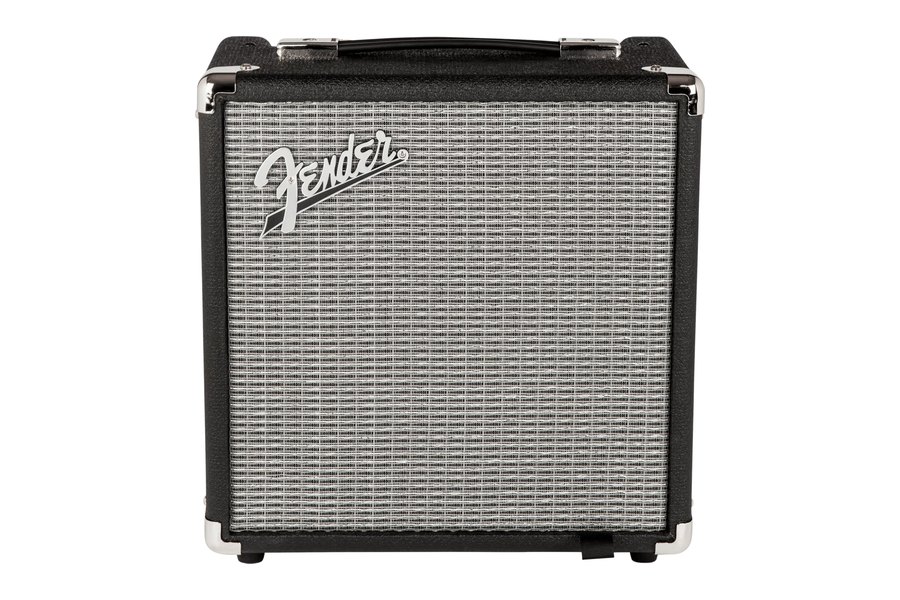 Fender Rumble 15Fender Rumble 15A small amp for home약 ₩13만$99.99
15 watts, one 8-inch speaker. Just the right size for practice at home. Start the knobs at center and bring the treble down a little.
Official site네이버 가격비교쿠팡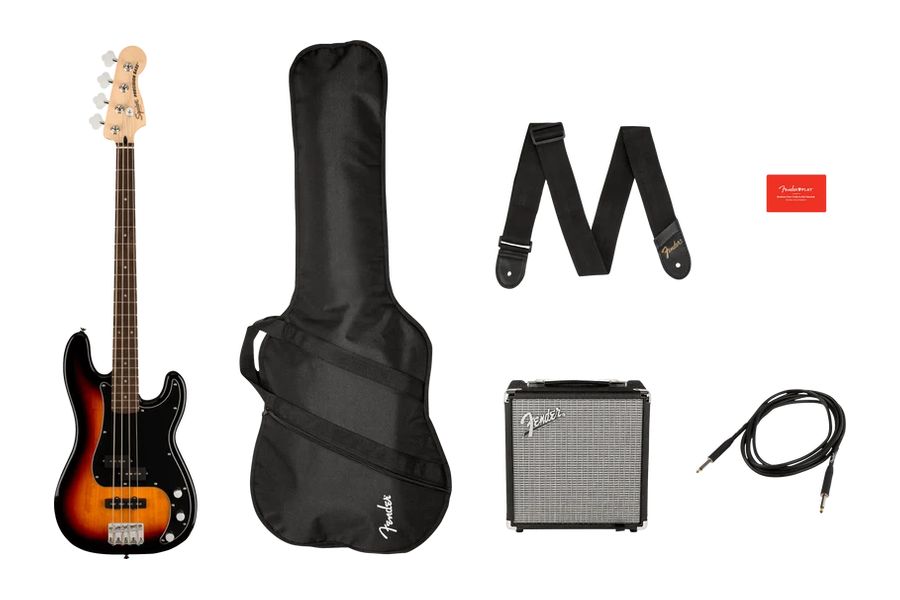 Squier Affinity Series Precision Bass PJ PackSquier Affinity Series Precision Bass PJ PackSame pack as Vol.01 · amp included약 ₩57만$429.99
The same pack I listed in Vol.01: bass, Rumble 15, cable, strap and gig bag in one box. Turn the Jazz pickup off and use only the Precision pickup. Just buy a hard pick separately.
Official site네이버 가격비교쿠팡
The last step is your ears
Even with all the gear right, your first sound won’t match. That’s normal. Switch between the record and your own sound, and find your case below.
The “click” is too loud
Change the pick or roll the tone knob down a little. The thinner the pick, the more it clicks. Carol Kaye says you won’t hear a click unless you set more treble.
The notes ring on too long
The felt isn’t touching enough. Check it’s doubled and tape it right in front of the bridge. When the note ends with a “thunk,” you’ve got it.
The sound is thin and sharp
Move your picking spot toward the end of the neck. Carol Kaye never picked next to the bridge; she said the sound is near the end of the neck.
You need the thickness of a fingerstyle sound
Keep the pick and roll the tone knob down. Carol Kaye used one hard pick and just turned the knobs to go between a thick “fingers” sound and a bright, clicky one.
The time keeps rushing
Pick from the wrist, not the arm. Down on the downbeat, up on the upbeat. When your hand travels back and forth with the beat, it stops rushing.
The low end booms in the room
Turn the amp’s bass down. Carol Kaye also says cutting the bass is sometimes necessary when the room booms. Then move the amp a hand’s width off the wall.
The pick is the kick. If it sounds off, change the pick first.
In all three: with a pick, near the end of the neck, from the wrist.
Prices: US retail, 2026-10-23.
To get this pick sound into your hands, start here.
For Vol.02: The Session Player's Touch. Like 1960s L.A. Studio Pop.
Standard Letter
Don't miss the next Practice.
We'll let you know about the next update by newsletter.
Full Version
For Vol.02 · The Standard Groove
Sheet Music — Bass Tab · PDF
Full Track · Backing Track — MP3
Sources
- Carol Kaye — FAQ (Q3 톤 · Q7 뮤트 · Q13 피크·피킹 위치 · Q17 앰프)
- Carol Kaye — Education (넥 끝 쪽 피킹 · 볼륨 2/3 · 방 울림)
- Carol Kaye — Biography
- Tape Op #45 — Carol Kaye interview
- Vintage Guitar — Carol Kaye
- Guitar Player — Carol Kaye on tone knobs
- Premier Guitar — Forgotten Heroes: Carol Kaye
- Wikipedia — Wichita Lineman (bass credit)
- Wikipedia — Carol Kaye
- Fender — American Professional series (2026-10-13)
- Bass Magazine — Vintera III basses (2026-04)
- Prices — Fender US, The Music Zoo, Tone Shop Guitars, Carter Vintage, The Music Emporium, 뮤직포스 (2026-10-23)
- Fender — Tube Prelude: Warm Up to the Standby Switch