
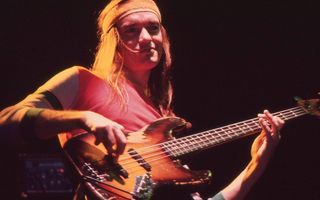

John Mayer Trio — Who Did You Think I Was (Live at the House of Blues, Chicago, 2005) · Bass: Pino Palladino
“Living in the pocket.”
Reverb — Living in the Pocket: A Pino Palladino Bass Retrospective
What gear does it take to get this tone?
Cheat SheetFor Vol.04
Pino Palladino
A 1963 Precision, sunburst, flatwounds. Volume all the way up, tone all the way down. The right hand keeps the other strings quiet, and the palm mutes the strings in front of the bridge. On stage with the Trio: an Ashdown ABM 900 and an 8×10.
이 페이지의 일부 링크는 쿠팡 파트너스 활동의 일환으로, 이에 따른 일정액의 수수료를 제공받습니다.
If you’re a pro
Pino’s main bass is an early-’60s Precision. The vintage pick is the same 1963 Precision as in the Carol Kaye sheet (Vol.02), and the signature is the Custom Shop’s blend of his ’61 and ’63. The set budget is based on the vintage. The amp is the current head from the Ashdown line he used on the trio stage.
Total budget약 ₩1,816만~$13,700+
- 1Bass1963 Precision · Pino signature
- 2StringsThomastik JF344 flats
- 3MutePalm · an inch in front of the bridge
- 4HandsFingers · right hand mutes the other strings
- 5AmpAshdown ABM-600 EVO IV
- 6CableMogami Gold
- 7Tone knob0%Pino turns the volume all the way up and the tone all the way down — hence 0%. Personally, I like to leave about 20–25%.
Setup in 3 lines
- Connect
Bass → cable → ABM-600 → cabinet. To record, use the DI out on the back of the head. The trio’s live rig was this head’s bigger brother (ABM 900) into an 8×10.
- Knobs
Volume all the way up, tone at 0 (I like 20–25%). Start the amp EQ at center and nudge only the bass up. The low end comes from the palm more than the amp.
- Finish
Rest the palm 2–3 cm in front of the bridge and play. The right hand keeps the strings you’re not playing quiet.
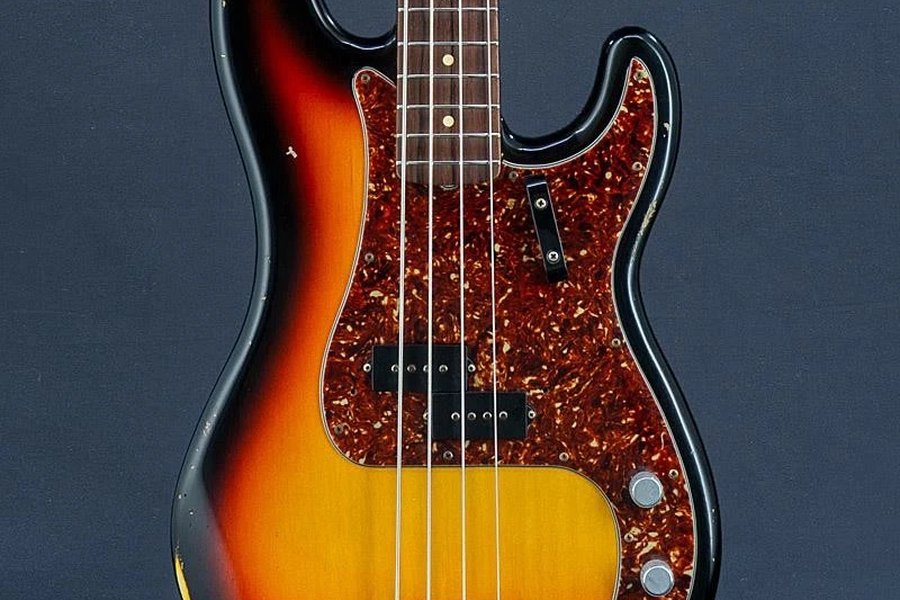 Fender Precision Bass, 1963Fender Precision Bass, 1963Vintage · the same 1963 as in Vol.02약 ₩1,660만~2,120만$12,500–16,000
A Precision from the same year as Pino’s main instrument. His ’63 is sunburst with custom-wound pickups and flatwounds, and it comes first both in the studio and on stage. The vintage listing is the same one noted in the Carol Kaye sheet (Vol.02). Prices vary widely with condition, so this is a range.
See on eBay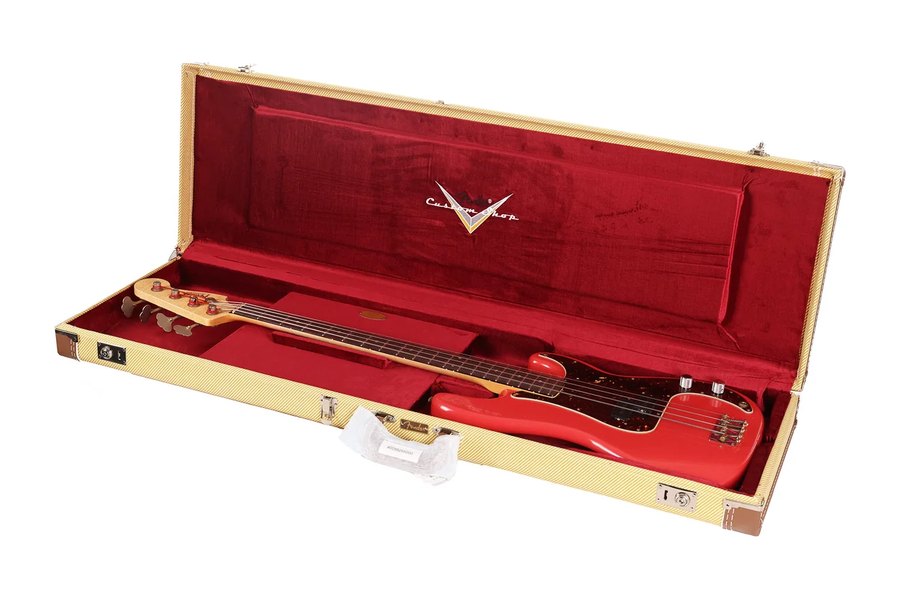 Fender Custom Shop Pino Palladino Signature Precision BassFender Custom Shop Pino Palladino Signature Precision BassCustom Shop · ’61+’63 · ships with flats약 ₩766만$5,775
The Custom Shop’s signature, blending Pino’s ’61 body with his ’63 neck. A relic finish with Desert Sand showing through the Fiesta Red, custom-wound pickups, and Thomastik flats (.043–.100) on it from the factory. With the strings already there, half of Pino’s tone is done when you open the case.
Official site네이버 가격비교쿠팡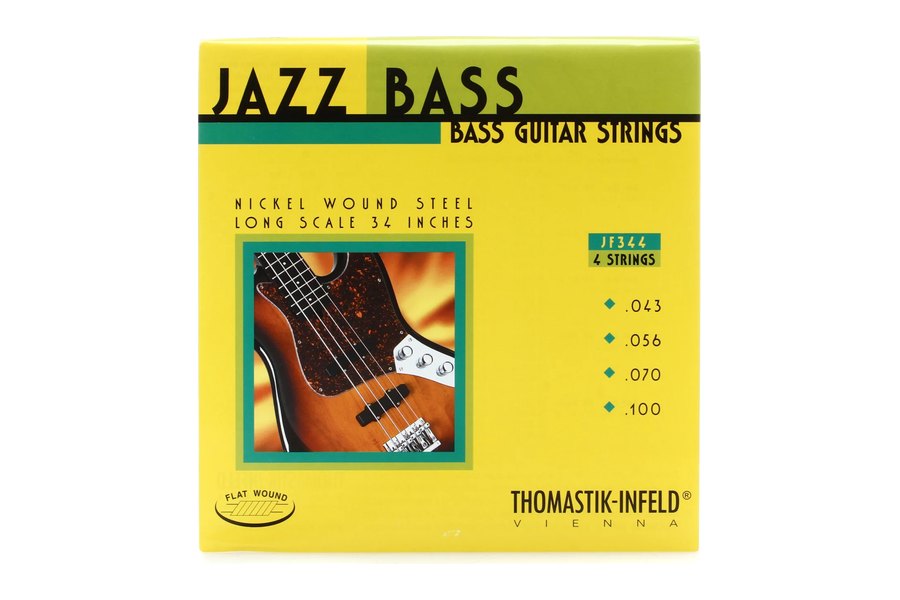 Thomastik-Infeld JF344 Jazz Flats (.043–.100)Thomastik-Infeld JF344 Jazz Flats (.043–.100)Pino’s flats · low tension약 ₩13만$99.99
The Thomastik Jazz Flats Pino has used for years; his signature bass ships with them. They’re known as a low-tension flat, and many players say they’re pricey but last a long time.
Official site네이버 가격비교쿠팡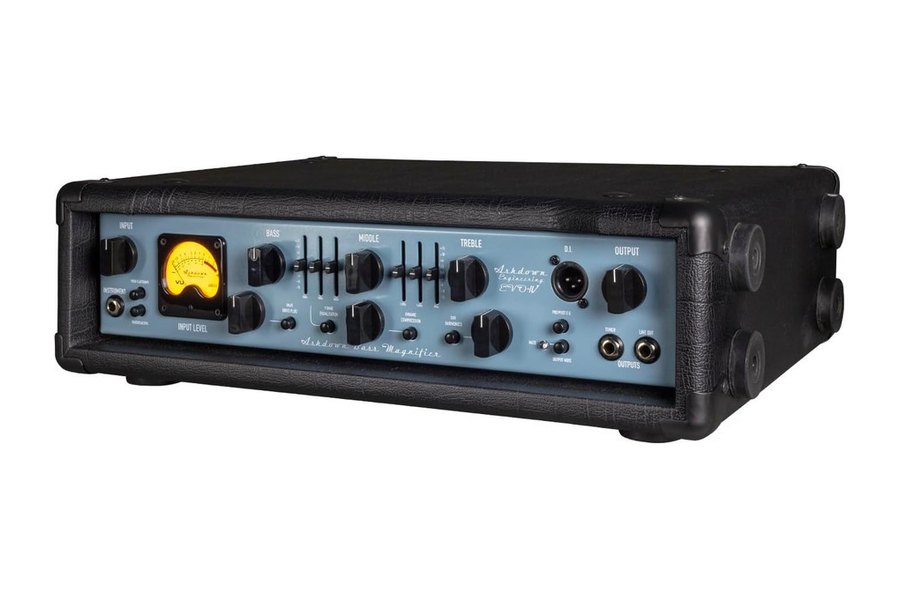 Ashdown ABM-600 EVO IVAshdown ABM-600 EVO IVCurrent head from the trio-stage line약 ₩132만$999
The current head in the Ashdown ABM line Pino ran with the John Mayer Trio (an ABM 900 EVO III). 600 watts, a 9-band EQ, a tube preamp and a built-in compressor. The cabinet is separate; for an 8×10 like Pino’s, add the ABM-810H. For home, the Studio 10 in the tier below is plenty.
Official site네이버 가격비교쿠팡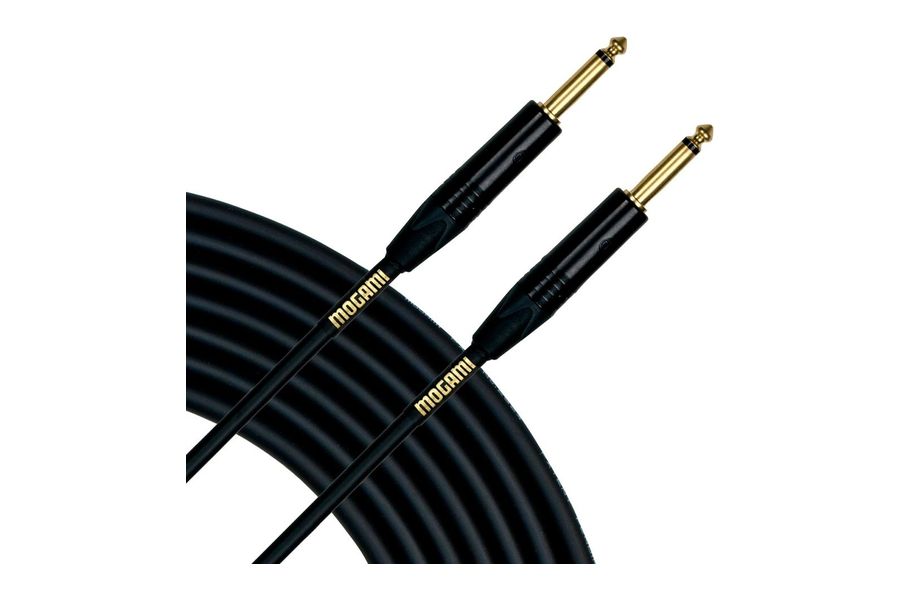 Mogami Gold InstrumentMogami Gold InstrumentFor recording and stage약 ₩113,000$84.95
The same cable as in Vol.01. With the tone rolled all the way down there’s little top end, so cable differences are hard to hear. Still, not cutting out on stage comes first, so this is the one.
Official site네이버 가격비교쿠팡
If your budget has room
If the budget allows, I recommend a US-made bass first. First choice is the American Vintage II 1960 Precision; second is the Mexican Player II. The Vintera II has the same ’60s shape. Strings: Ernie Ball Smoothie Flats with Pino’s own name on them. A small Ashdown combo is enough for the amp.
Total budget약 ₩356만~$2,680+
- 1BassAV II 1960 · Player II · Vintera II
- 2StringsErnie Ball Smoothie Flats
- 3MutePalm · an inch in front of the bridge
- 4HandsFingers · right hand mutes the other strings
- 5AmpAshdown Studio 10
- 6CableAny cable you have
- 7Tone knob0%Pino turns the volume all the way up and the tone all the way down — hence 0%. Personally, I like to leave about 20–25%.
Setup in 3 lines
- Connect
Bass → cable → Studio 10. That’s it. To record, use the amp’s line out or go straight into an interface.
- Knobs
Volume all the way up, tone at 0 (I like 20–25%). Leave the Studio 10’s EQ at center, and if the room booms, bring the bass down.
- Finish
For strings, the Smoothie Flats with Pino’s name. They come in two gauges: medium (.043–.108) and extra light (.038–.098).
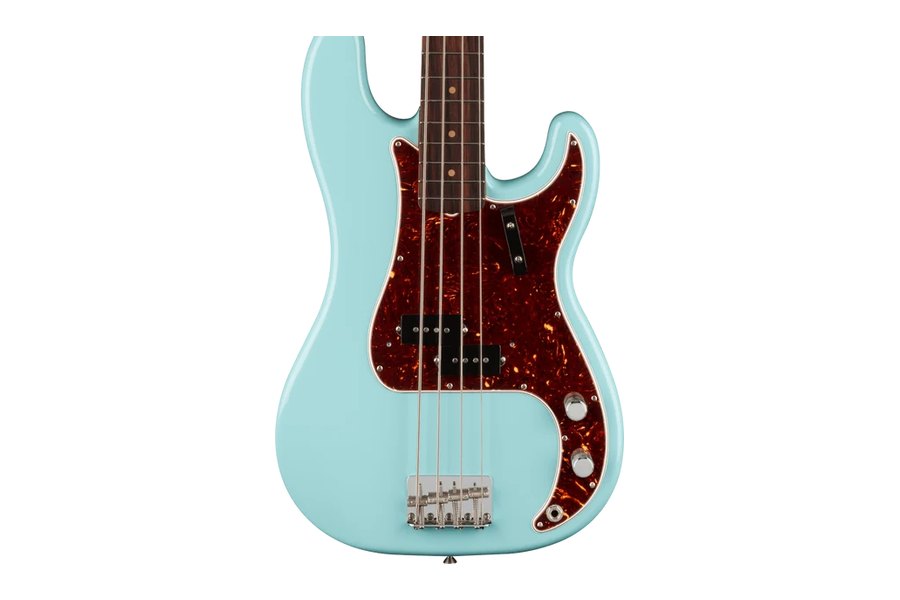 Fender American Vintage II 1960 Precision BassFender American Vintage II 1960 Precision BassUSA · first choice here약 ₩305만$2,299.99
A 1960-spec Precision made in the USA — first choice in this tier, also recommended in Vol.02. It’s the closest to the neck feel of Pino’s ’61 and ’63. Once it fits your hands, it’s a bass you’ll keep for a long time.
Official site네이버 가격비교쿠팡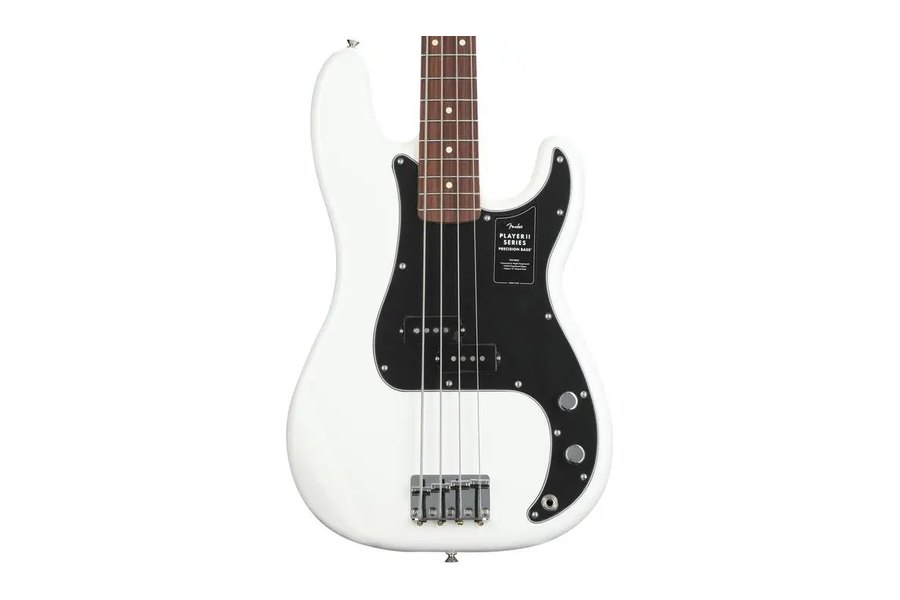 Fender Player II Precision BassFender Player II Precision BassMexico · second choice약 ₩113만$849.99
The current Mexican-made Precision, second choice in this tier. Alder body, rosewood fingerboard, Alnico V pickup — everything Pino’s tone needs. Just switch to flats and roll the tone down.
Official site네이버 가격비교쿠팡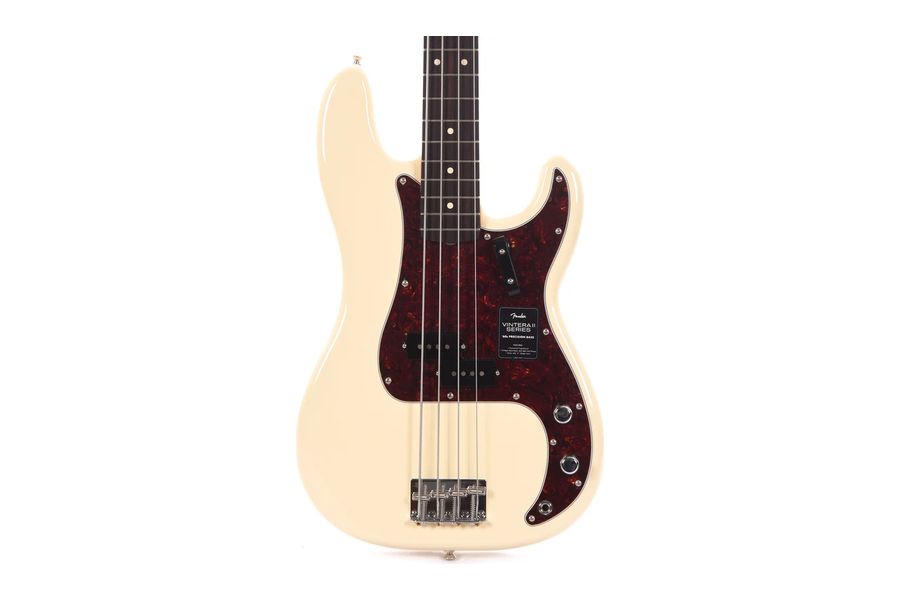 Fender Vintera II ’60s Precision BassFender Vintera II ’60s Precision BassMexico · ’60s specs약 ₩133만$999.99
The Mexican ’60s-spec Precision recommended in Vol.01, with a vintage-feel neck and pickup. A little pricier than the Player II, but it keeps the ’60s look. Given that Pino’s sound comes out of a ’60s instrument, this is no wrong choice either.
Official site네이버 가격비교쿠팡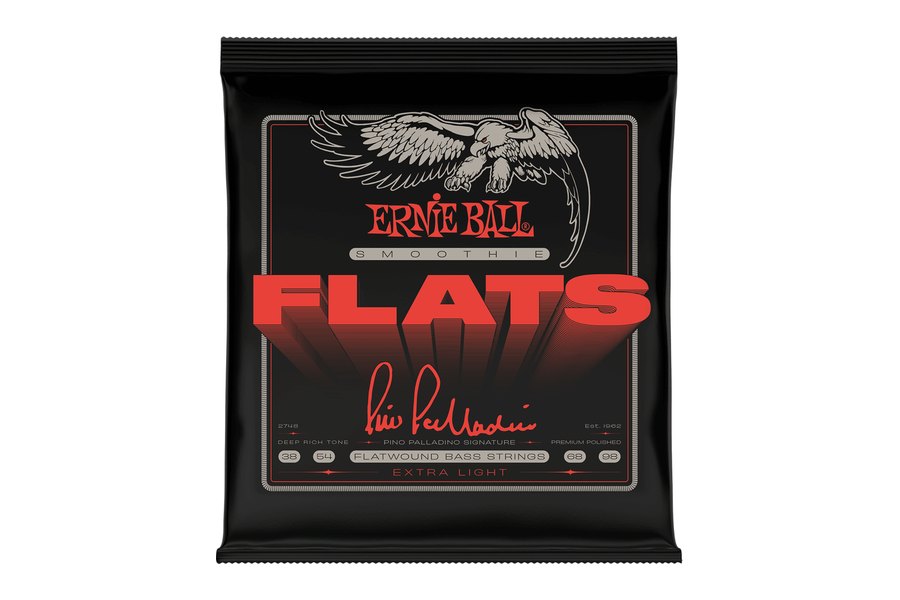 Ernie Ball Pino Palladino Smoothie Flats (.043–.108 · .038–.098)Ernie Ball Pino Palladino Smoothie Flats (.043–.108 · .038–.098)Pino’s signature strings · 2025약 ₩106,000$79.99
Pino’s signature strings, released in 2025: flats with a cobalt ribbon wrap, in Medium (.043–.108) and Extra Light (.038–.098). Pino himself says they have no string noise and “a real kind of thump.” Cheaper than the Thomastiks, so this is the pick for this tier.
Official site네이버 가격비교쿠팡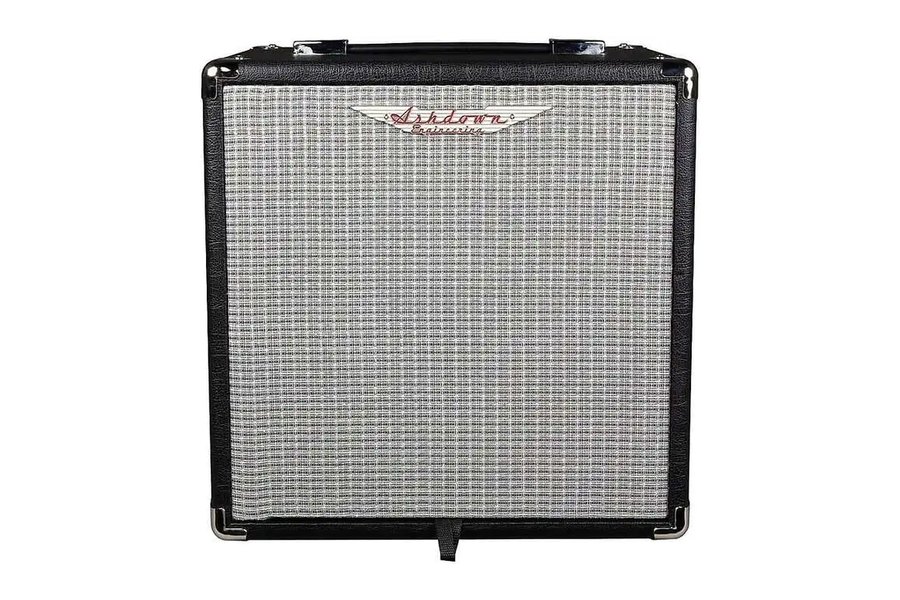 Ashdown Studio 10Ashdown Studio 1050 watts · home size약 ₩40만$299
50 watts, one 10-inch speaker, 7 kg. The home combo from Ashdown, the company Pino uses. Being the same maker, the EQ feels like the ABM’s. It’s enough for a room, and the rehearsal space has its own amp.
Official site네이버 가격비교쿠팡
If you’re just starting
This is probably where most of you will look. Every player’s tone comes from the hands, so it’s fine to start with a bass that doesn’t strain your wallet. A Squier Sonic or a Korean-made Swing Precision King plus a small amp is all you need. If you want the amp in the same box, there’s the same pack as in Vol.01 and 02.
Total budget약 ₩44만~$370+
- 1BassSquier Sonic · Swing Precision King
- 2StringsStock strings → Fender 9050 flats later
- 3MutePalm · an inch in front of the bridge
- 4HandsIndex and middle fingers · mute the other strings
- 5AmpRumble 15
- 6CableAny cable you have
- 7Tone knob0%Pino turns the volume all the way up and the tone all the way down — hence 0%. Personally, I like to leave about 20–25%.
Setup in 3 lines
- Connect
Bass → cable → Rumble 15. That’s it.
- Knobs
Volume all the way up, tone at 0 (I like 20–25%). On the Rumble 15, nudge the bass up and keep the treble at center. With the pack’s PJ bass, set the Jazz pickup volume to 0.
- Finish
Play with two fingers, index and middle. Keep the unplayed strings quiet with the right hand. Start with the stock strings; flats can come later.
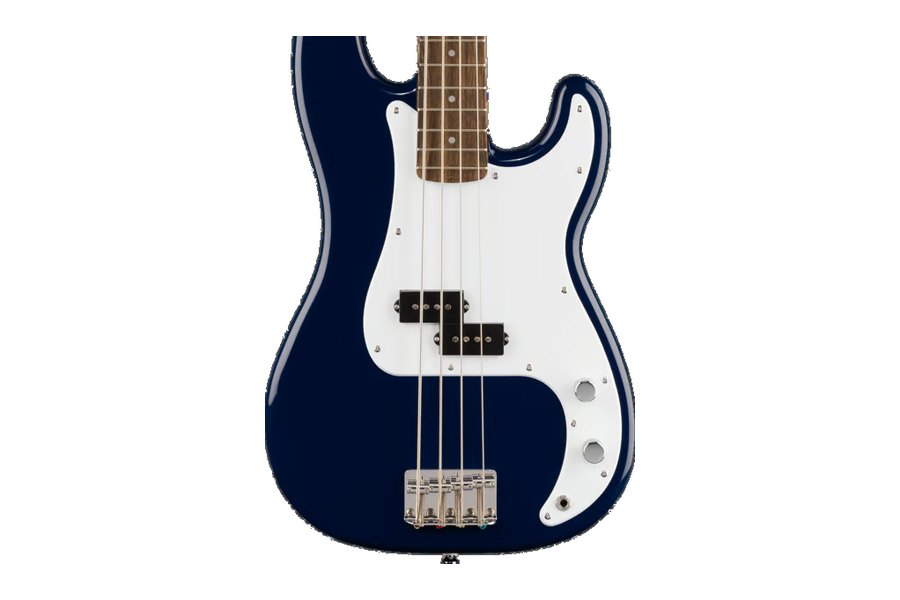 Squier Sonic Precision BassSquier Sonic Precision BassThe lightest way in약 ₩36만$269.99
Squier’s most affordable Precision, also in Vol.02. The wood and pickup differ from the original, but the shape is the same. Roll the tone down and keep the other strings quiet with your right hand, and you’re headed the right way.
Official site네이버 가격비교쿠팡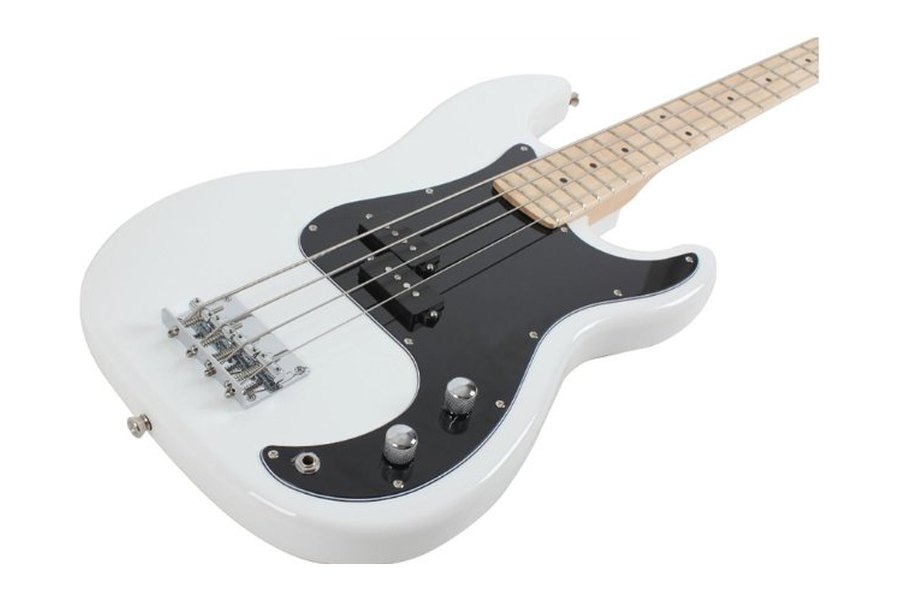 Swing Precision KingSwing Precision KingKorean brand · alternative₩310,000약 $234
A Precision from Korean brand Swing: hard maple neck and the brand’s own P-10 pickup. The gentlest price in this tier, and easy to find in Korea.
Official site네이버 가격비교쿠팡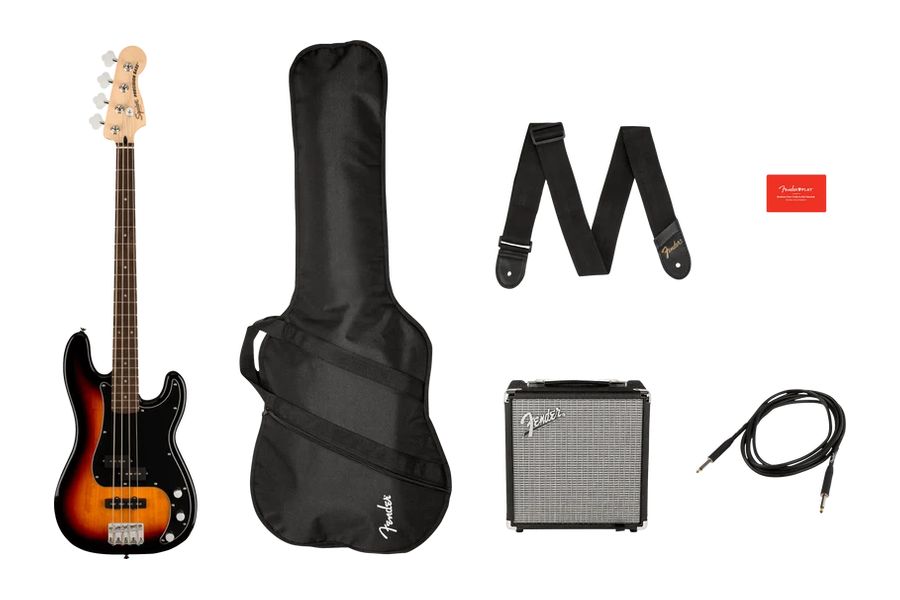 Squier Affinity Series Precision Bass PJ PackSquier Affinity Series Precision Bass PJ PackSame pack as Vol.01·02 · amp included약 ₩57만$429.99
The same pack as in Vol.01·02: bass, Rumble 15, cable and strap in one box. With the Jazz pickup volume at 0, it’s a Precision. Play the strings it came with, and just roll the tone all the way down.
Official site네이버 가격비교쿠팡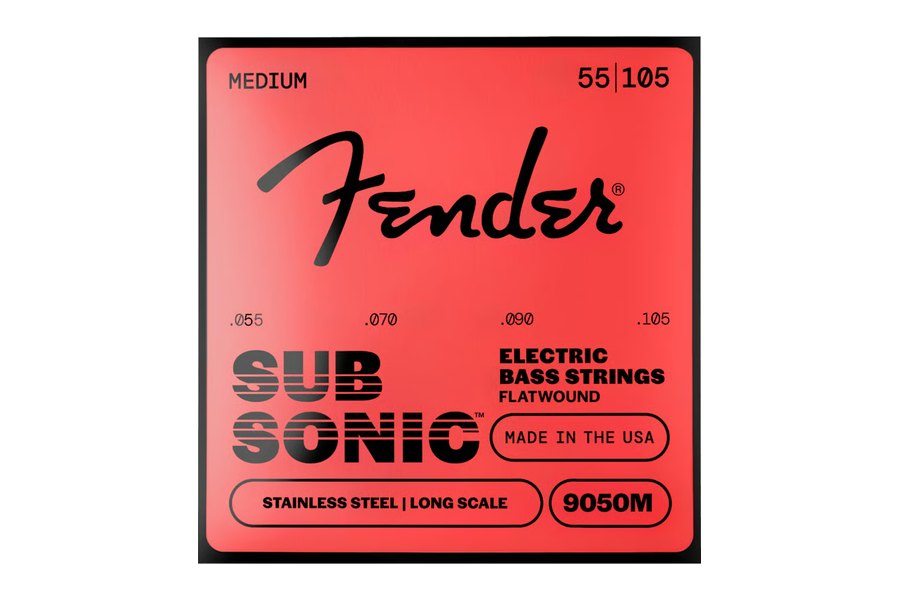 Fender 9050 Stainless Flatwound (9050M · 9050ML)Fender 9050 Stainless Flatwound (9050M · 9050ML)The cheapest flats약 ₩46,000$34.99
Fender’s stainless flats, also in Vol.02. Among flats they’re on the cheap side and easy to find anywhere. Many players describe them as higher-tension than Thomastik or the Smoothies. In the starter tier, play the stock strings first and switch later.
Official site네이버 가격비교쿠팡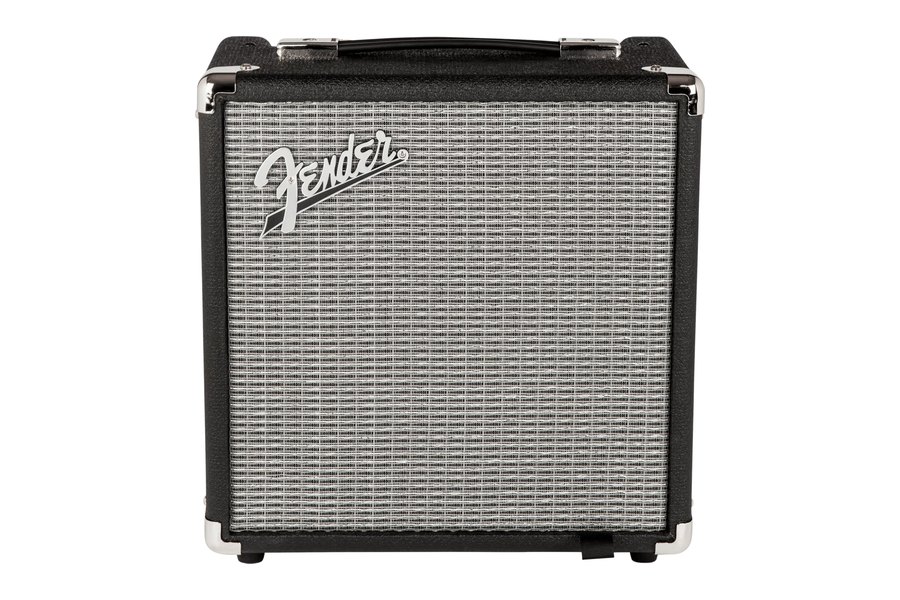 Fender Rumble 15Fender Rumble 15A small amp for home약 ₩13만$99.99
15 watts, one 8-inch speaker. Just the right size for practice at home. Bass up a touch, everything else at center to start.
Official site네이버 가격비교쿠팡
The last step is your ears
Even with all the gear right, your first sound won’t match. That’s normal. Switch between the record and your own sound, and find your case below.
It sounds bright, not round
Check that the tone really is at 0. Then check that your palm is touching the strings. The darkness of Pino’s tone comes from the tone knob and the palm, not the amp.
The notes die too fast
Move your palm about a centimeter toward the bridge. On top of the bridge nothing is damped; too far forward everything dies. Somewhere between is the spot for your instrument.
Other strings ring along
Keep the strings you’re not playing quiet with your right hand. Just resting your fingers on them is enough.
The sound is so muffled it gets buried
Try bringing the tone up to about 20–25%. Pino keeps it at 0, but I like leaving that much. Match it by switching back and forth with the record.
You’re rushing ahead of the drums
Half of Pino’s tone is the hands and half is timing. Sit behind the beat. Put on a drum beat and practice landing just slightly after the kick. The slower the tempo, the more clearly that gap shows.
tools.thestandardgroove.com →
The record is the answer. When your ears say “close,” that’s the right setting.
In all three: tone down, palm on the strings, and the right hand keeps the other strings quiet.
Prices: US retail, 2026-10-24.
If “Who Did You Think I Was” is too hard, start here.
For Vol.04: Three-Piece Blues. Like Early 2000s Blues Rock.
Standard Letter
Don't miss the next Practice.
We'll let you know about the next update by newsletter.
Sources
- Mixdown — Gear Rundown: Pino Palladino (1963 Precision · flats · Ashdown ABM 900 EVO III + 8×10 with the John Mayer Trio · volume up, tone down)
- Reverb — Living in the Pocket: A Pino Palladino Bass Retrospective (2011 Bass Player quote: thumb/index/middle/ring, palm mute)
- Premier Guitar — Palm Mute Like Pino (palm an inch from the bridge, one finger per string)
- Fender Custom Shop — Pino Palladino Signature Precision Bass (specs · Thomastik-Infeld flats .043–.100)
- No Treble — Ernie Ball Pino Palladino Smoothie Flats (gauges · $79.99 · “a real kind of thump”)
- uDiscover Music — Pino Palladino interview (Voodoo: “everything mattered, it was all at the top of the mix”)
- Wikipedia — Try! (John Mayer Trio Live in Concert, recorded 2005)
- Prices — Sweetwater, Equipboard, The Music Zoo, Ernie Ball, Fender US (2026-10-24) · 1963 Precision·Squier Sonic = Vol.02 조사값 (2026-10-23) · Swing Precision King — 어쿠스틱마트 (2026-10-25)